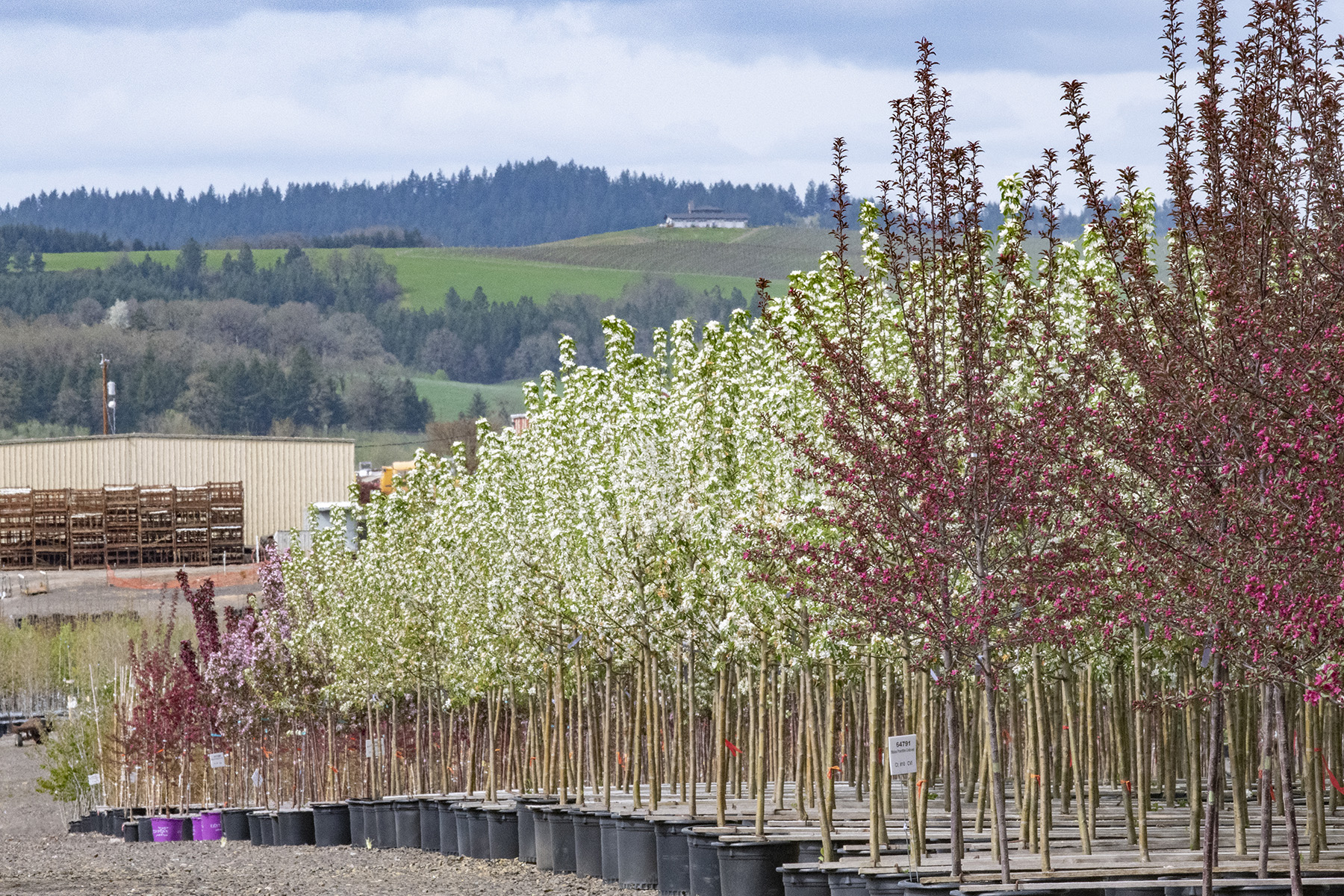
Out of Hibernation and Into Your Garden Center
Spring is prime time for trees that stop customers in their tracks. When a tree is covered in blooms, it naturally draws attention and that attention turns into impulse purchases.
Spring blooming trees are some of the easiest plants to sell which can double with knowledgeable staff recommend the perfect spring bloomer to your customers’ needs. With the right talking points and companion plants, these trees quickly move from the sales lot into the homeowner’s landscape. Here’s how to make the most of your spring inventory by focusing on four popular spring blooming tree species.
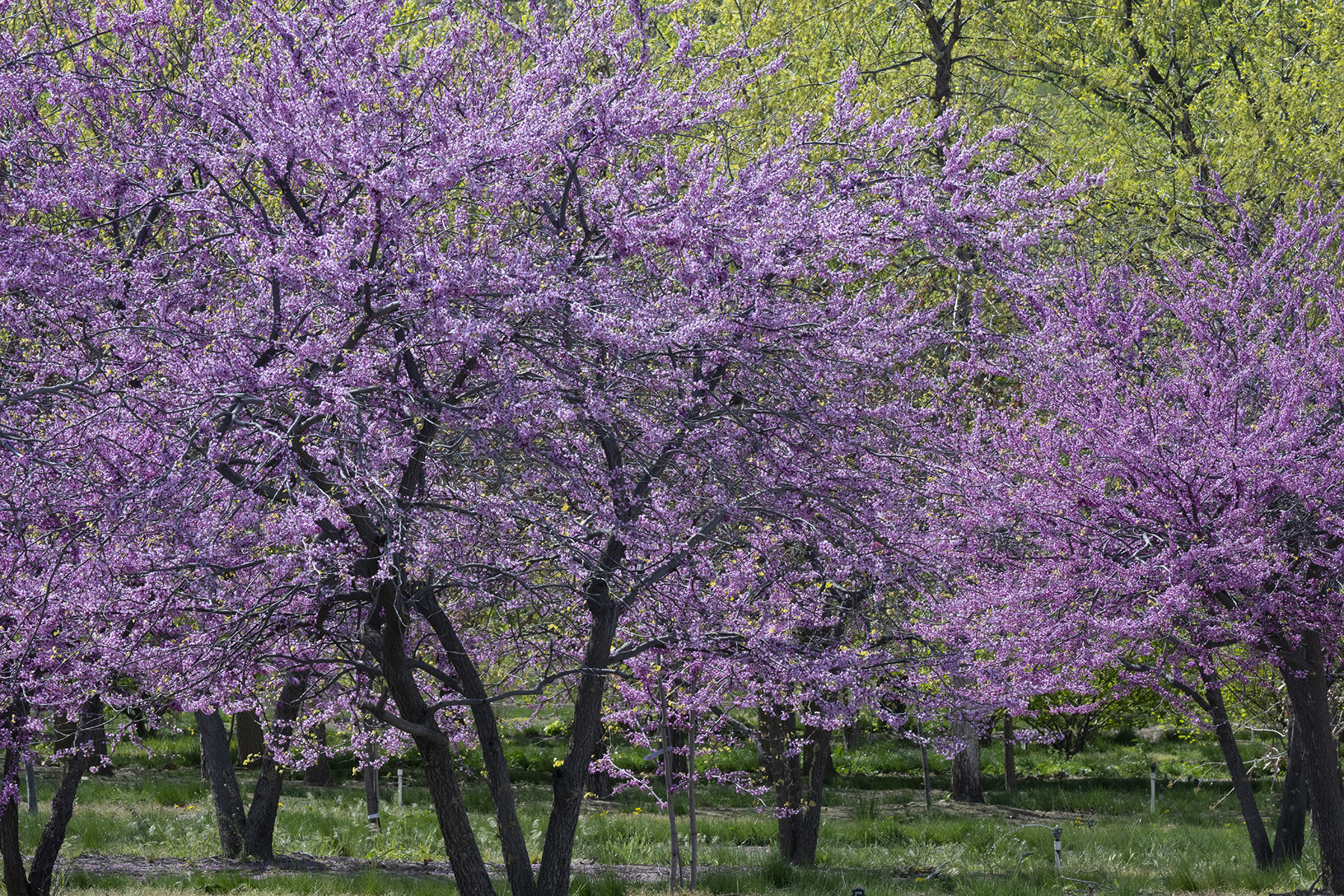
Redbud – Cercis canadensis
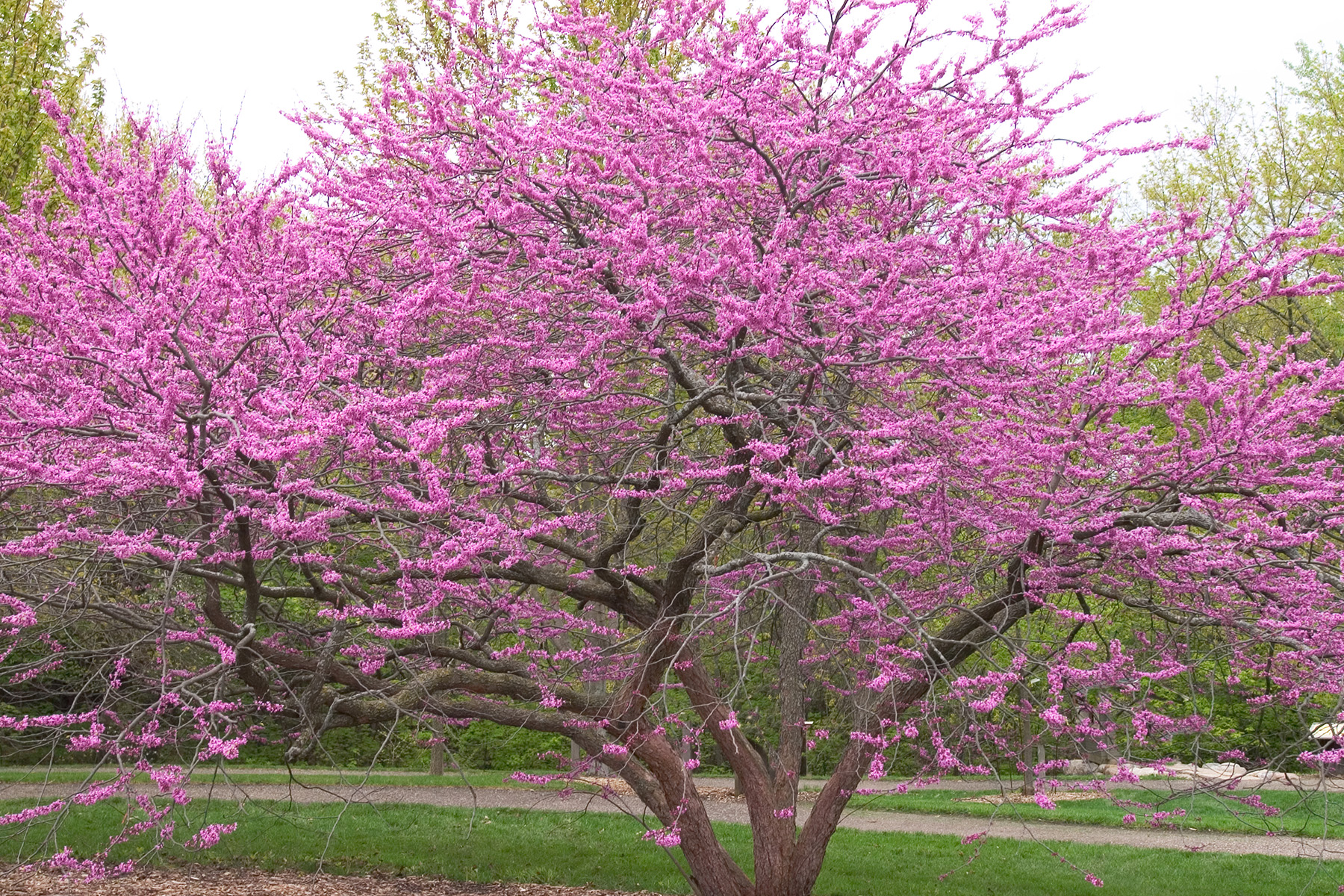
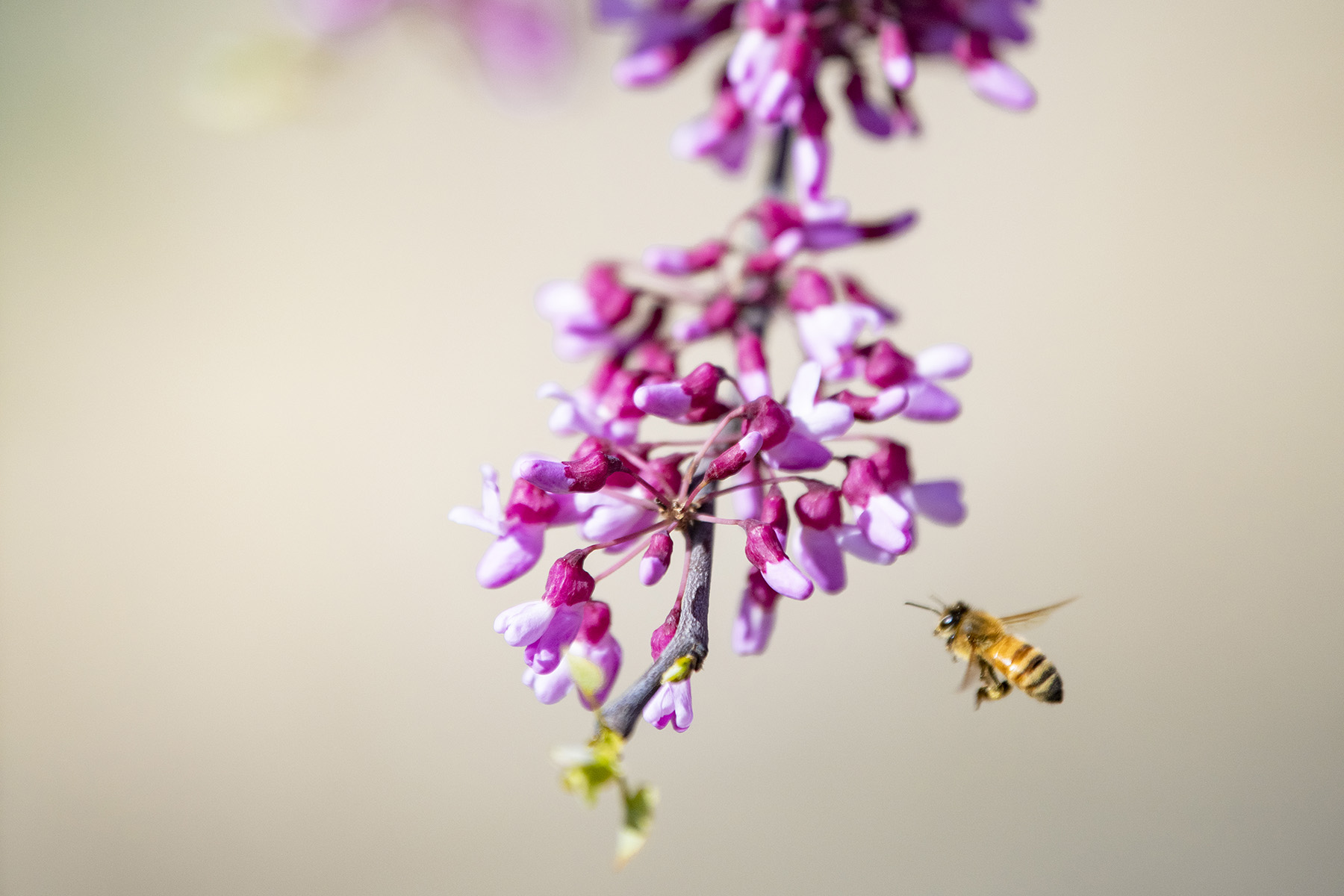
Redbuds are among the earliest signs of spring, producing clusters of pink to magenta blooms directly along their branches before leaves appear. Once flowering finishes, large heart-shaped leaves emerge, giving the tree a soft, graceful look throughout the growing season.
As a North American native, redbud is also an ecological powerhouse that supports pollinators and wildlife. Growing about 20–25 feet tall and wide, it fits comfortably into most residential landscapes and tolerates a range of light conditions.
Selling Tip: Highlight redbud as a native tree that combines beauty with ecological value. Customers looking for pollinator-friendly landscapes or manageable ornamental trees will appreciate its size and versatility.
Our Favorite Cultivar
MN Strain Redbud – Selected for improved cold hardiness, this cultivar thrives in northern climates while producing vibrant rose-pink flowers against its dark bark. Emerging leaves carry a subtle burgundy tint that elevates the beauty of this spring blooming tree.
Pair the Redbud With:
- Shade Loving Perennials – Coral Bells, Blue Star Amsonia, Astilbe, Hosta
- Spring Blooming Perennials – Bleeding Hearts, Raspberry Splash Lungwort
Magnolia – Magnolia grandiflora
Few trees signal spring quite like magnolias. Their large, showy blooms appear before the foliage and come in shades of white, pink, purple, and even yellow! Magnolias, similar to the Redbud, bloom first and leaf out after. Unlike the Redbud, varieties are highly fragrant, making them a superb centerpiece to any spring blooming garden.
After flowering, glossy green leaves keep the tree looking full and lush through the growing season. Some cultivars even feature copper-toned leaf undersides for additional visual interest.
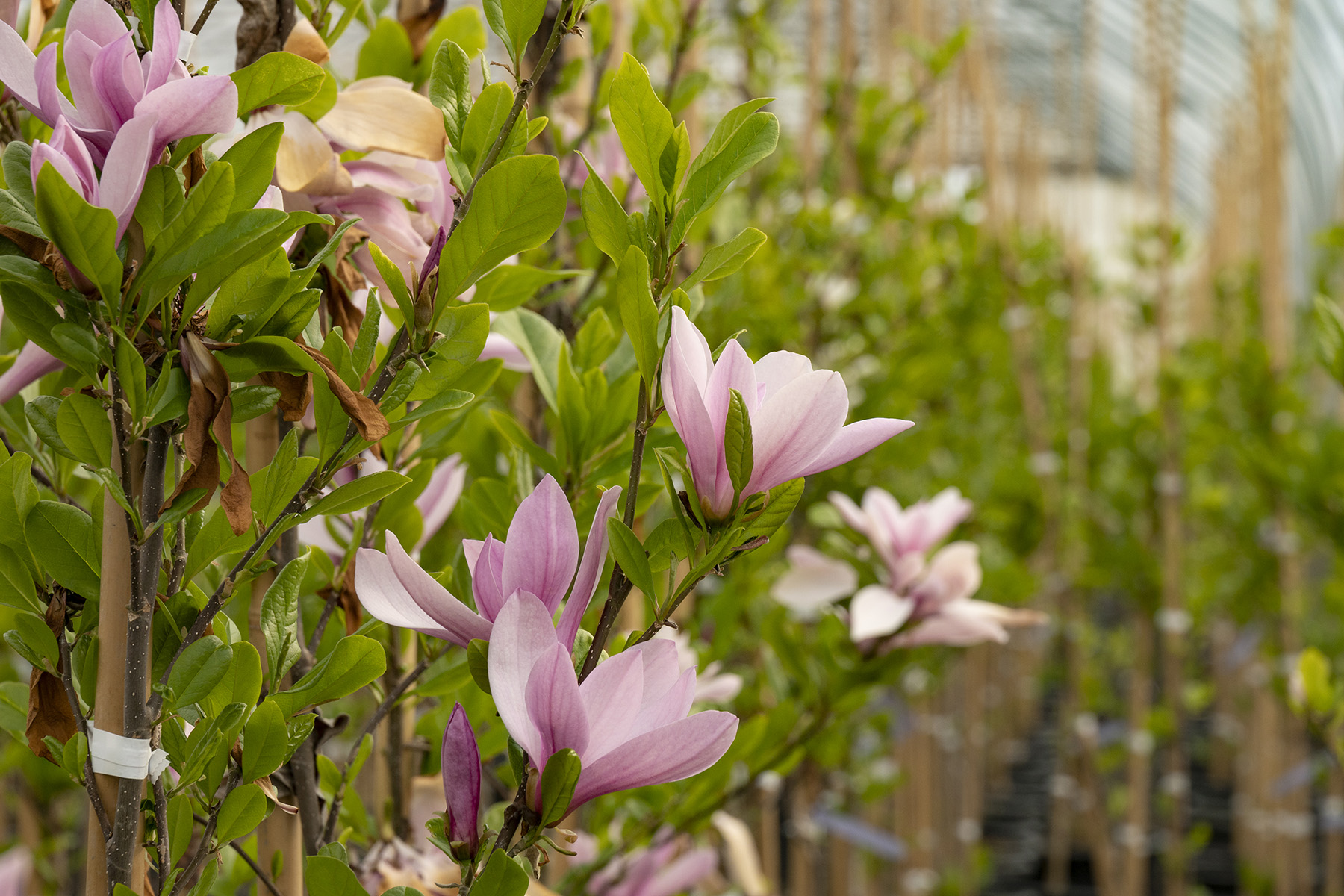
Selling Tip: Magnolias are ideal for customers looking for a statement tree. Encourage customers to use this tree as a focal point near patios, entryways, or front yards where their dramatic blooms and fragrance can be fully appreciated.
Our Favorite Cultivar
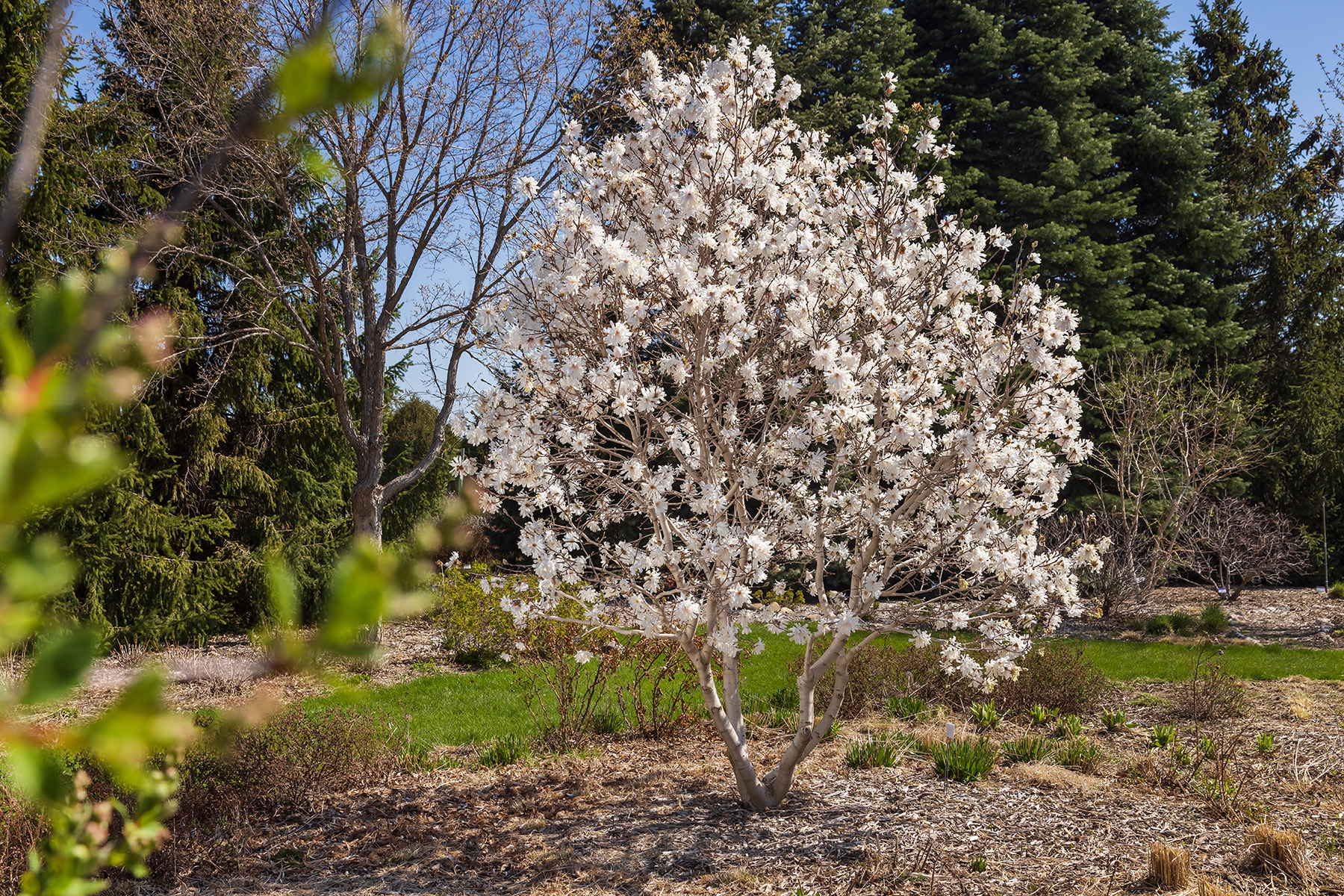
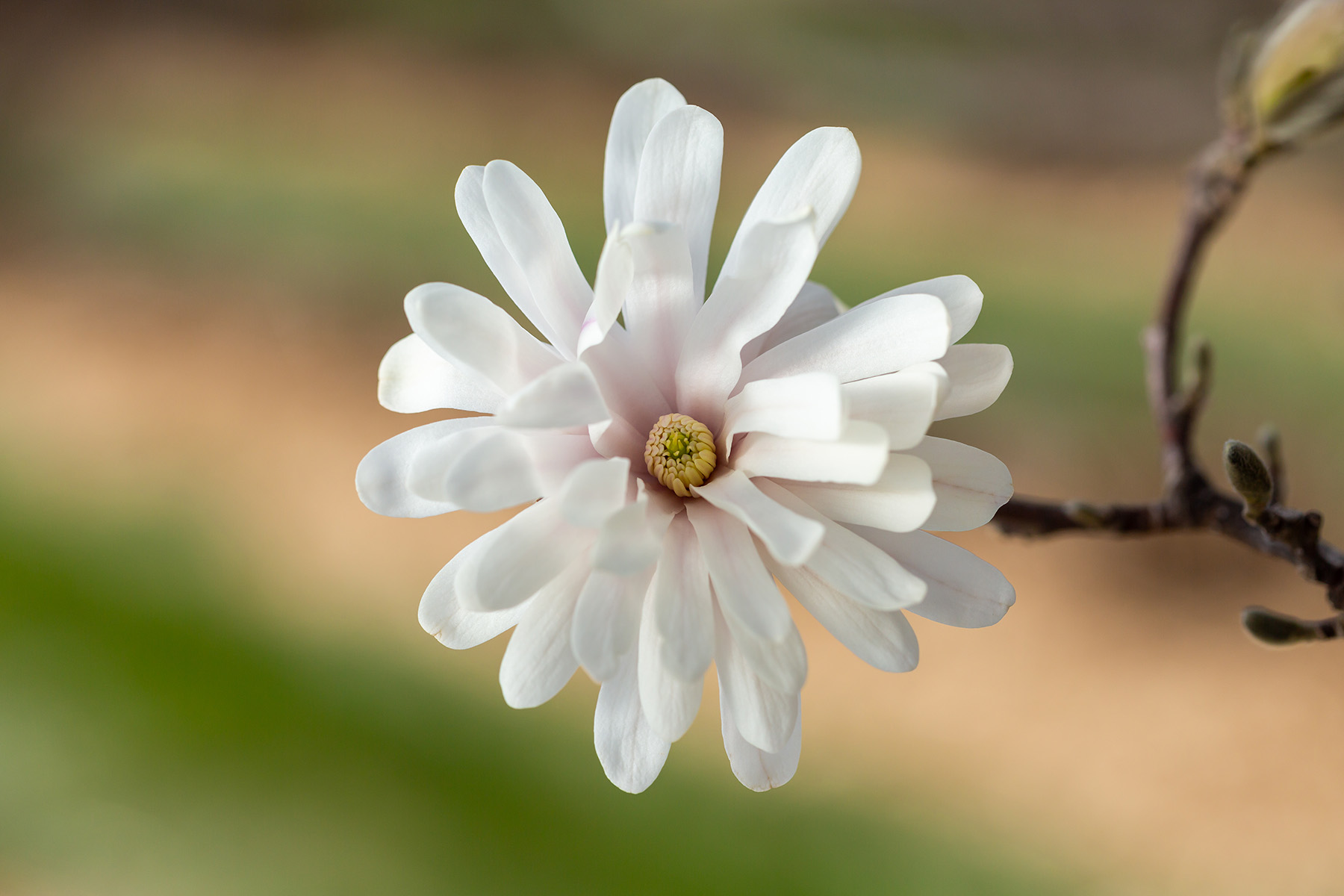
First Editions® Centennial Blush Star Magnolia – Known for its impressive floral display, this variety produces fragrant white petals with a soft pink blush. Its tidy, upright oval form stays under 20 feet tall, making it an excellent option for smaller landscapes.
Explore More Magnolia Cultivars
Pair Magnolia With:
- Perennials – Bleeding Hearts, Hellebores, Irises, Coral Bells
- Shrubs –Endless Summer® DreamCloud® Reblooming Hydrangea , Rhododedron,
First Editions® Snow White™ Mockorange
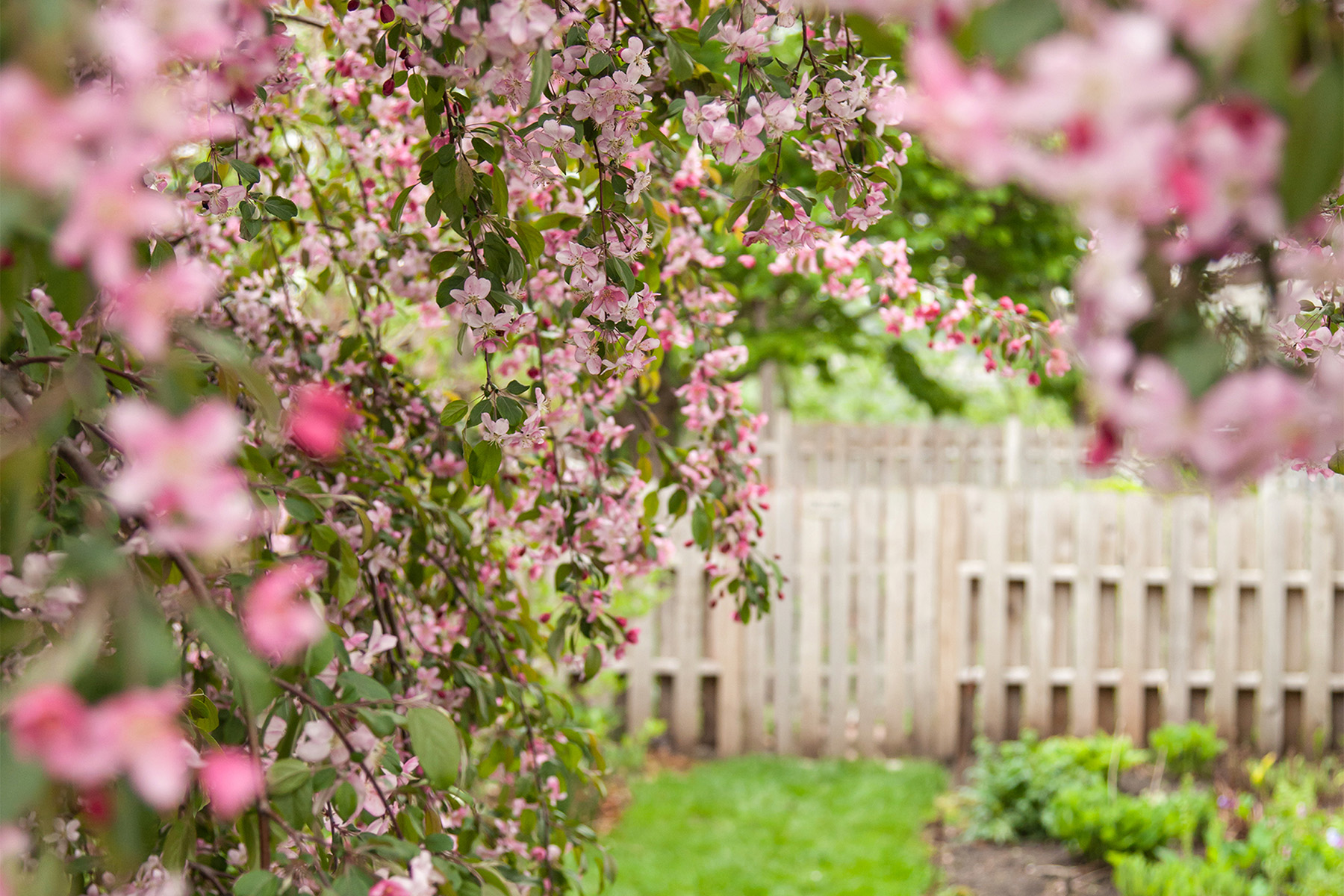
Crabapple – Malus ssp.
When it comes to spring blooming trees, the crabapple is the tree that comes first to everyone’s mind. Blooming from late April into May, these trees offer high ornamental value and instant recognition when seen in the landscape. Having these spectacularly blooming trees front and center will get people to question if they have a spot to plant it in their home landscape.
Beyond spring blooms, they’re a critical nectar source for pollinators. They are also considered universal pollinators and can pollinate apple trees. Most crabapple varieties offer ornamental fruit that attracts birds and adds winter interest.
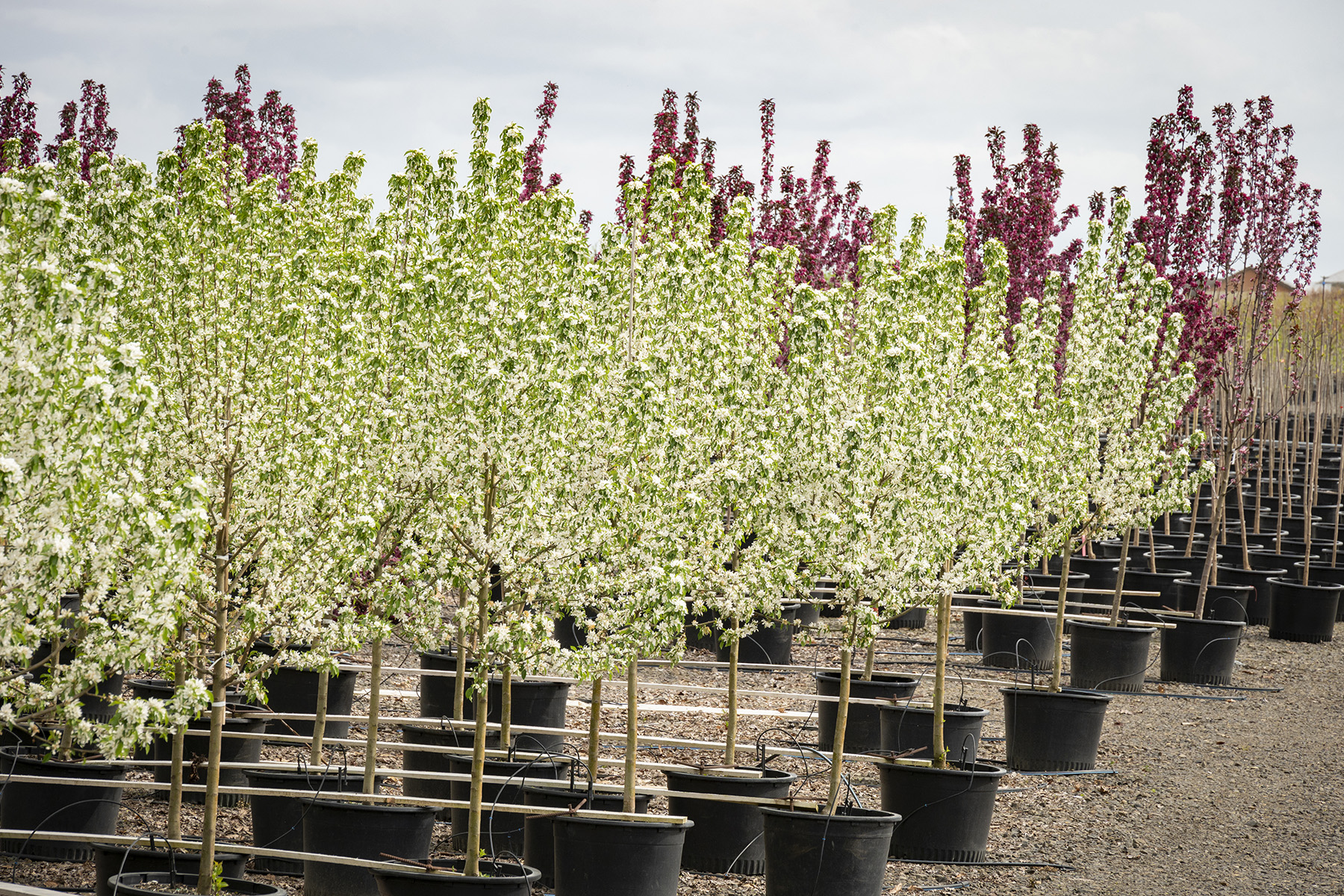
Selling Tips: Crabapples are perfect for front-and-center merchandising. Their floral display will encourage impulse purchases and you can remind customers how easily they can add seasonal color to their landscape.
Our Favorite Cultivar
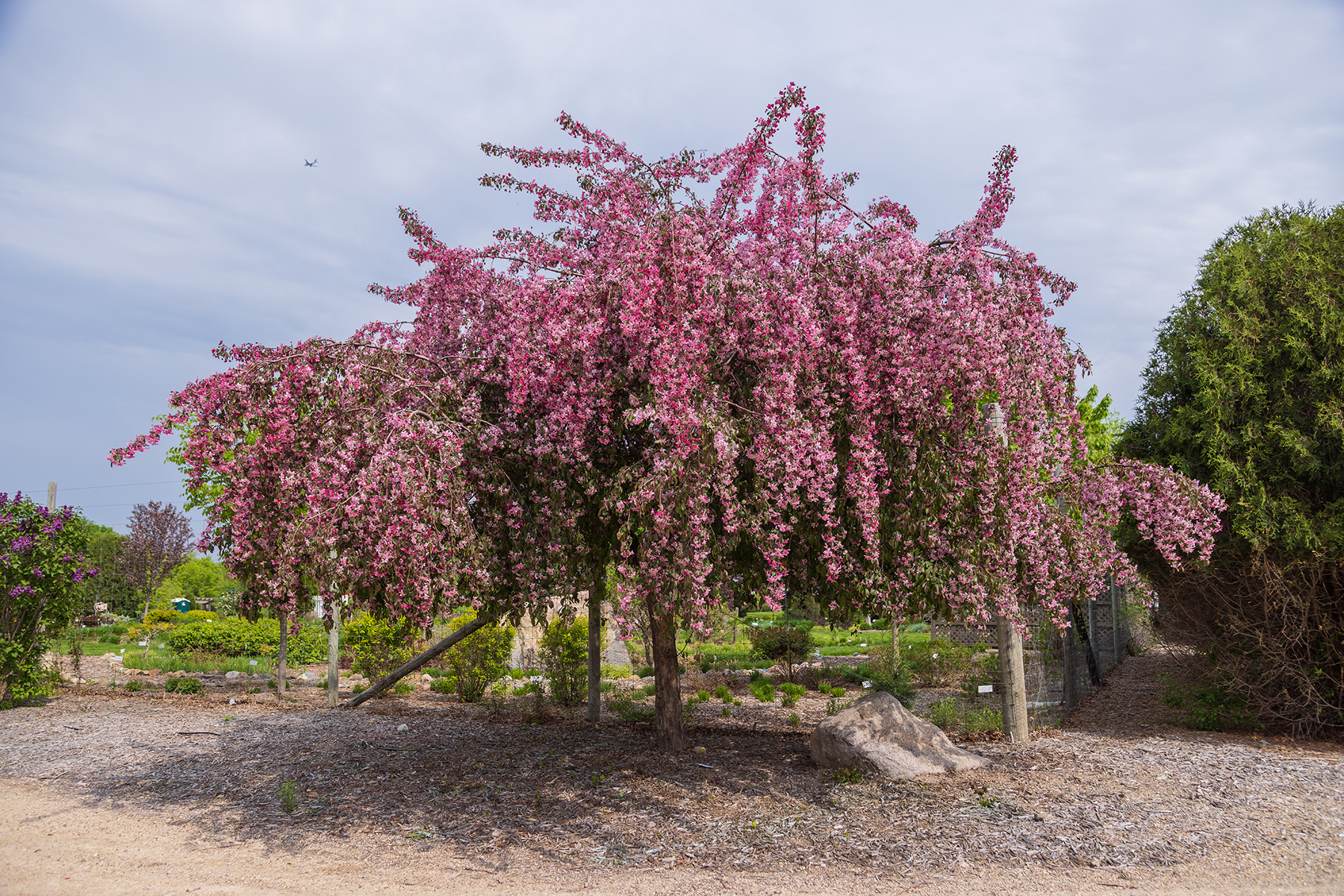
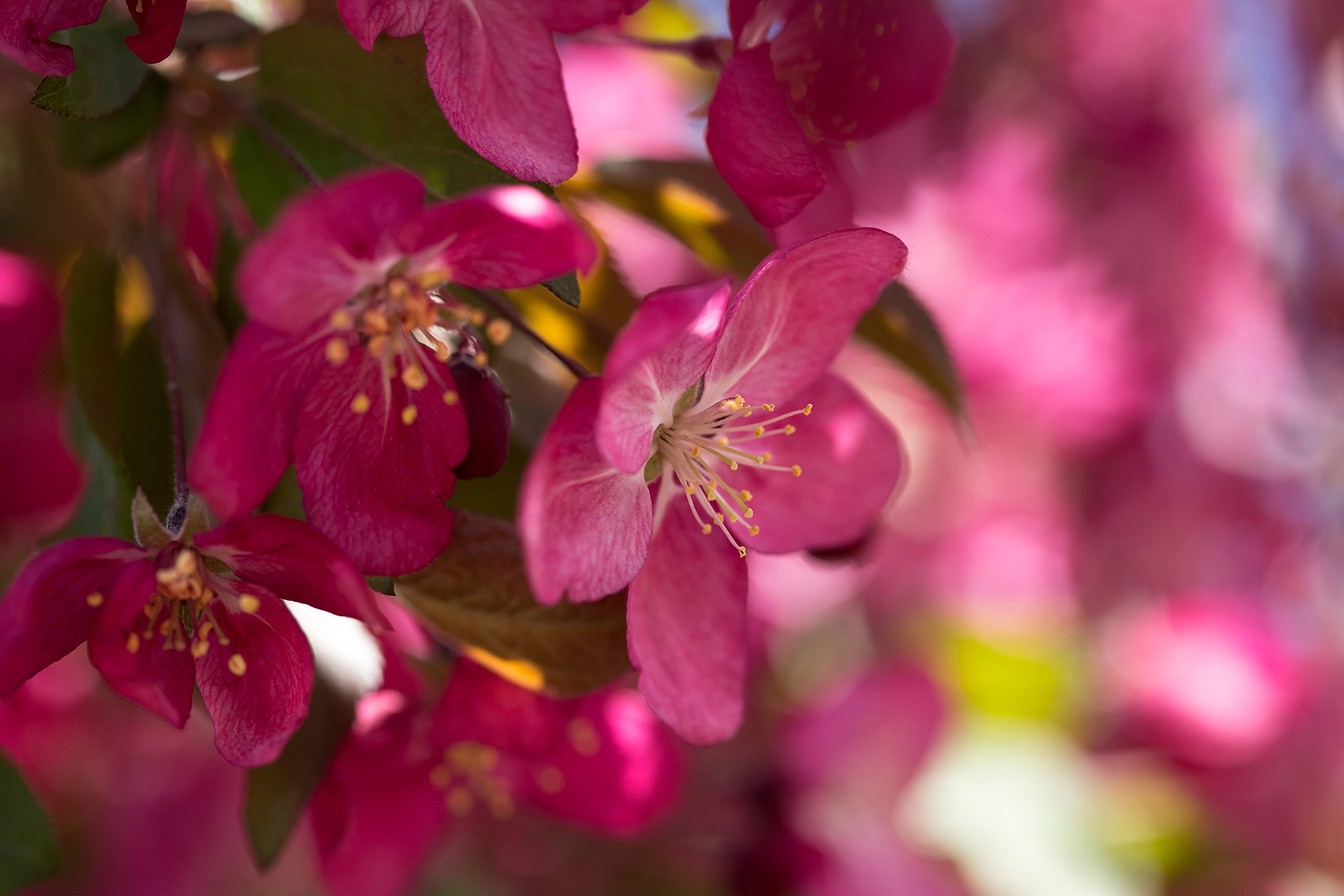
First Editions® Ruby Tears™ Crabapple – This is a naturally weeping cultivar produces fragrant pink flowers while adding personality to the landscape with its structure and burgundy tinted leaves. This crabapple is also small enough to not take up so much space in your garden center while also packing that visual punch driving impulse sales.
Explore More Crabapple Cultivars
Explore First Editions® Crabapples
Pair Crabapples With:
- Perennials – Catmint, Cranesbill Geraniums, Coral Bells, Daylilies
- Shrubs – Spirea, Weigela, Ninebark, Butterfly Bush
Japanese Tree Lilac – Syringa reticulata
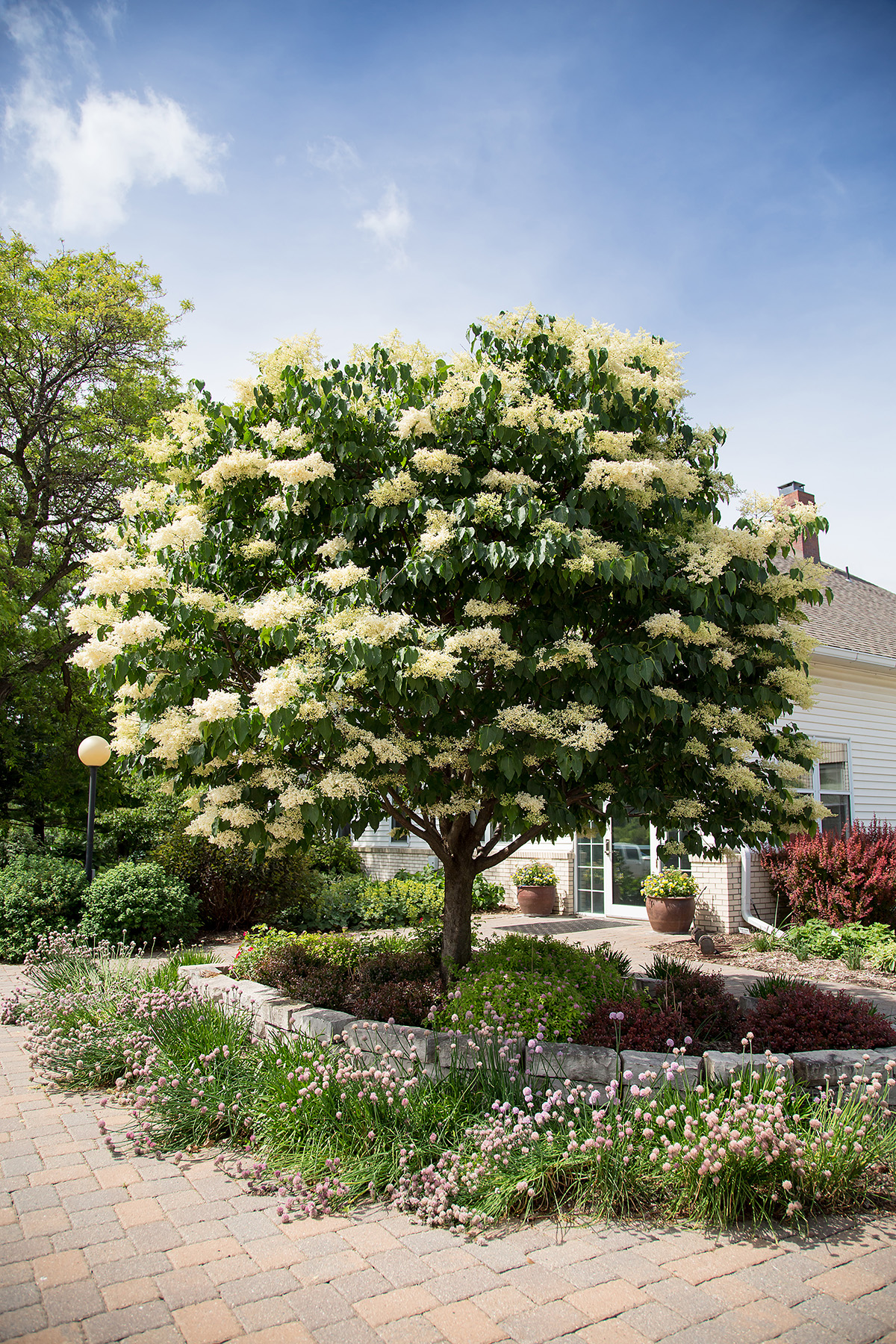
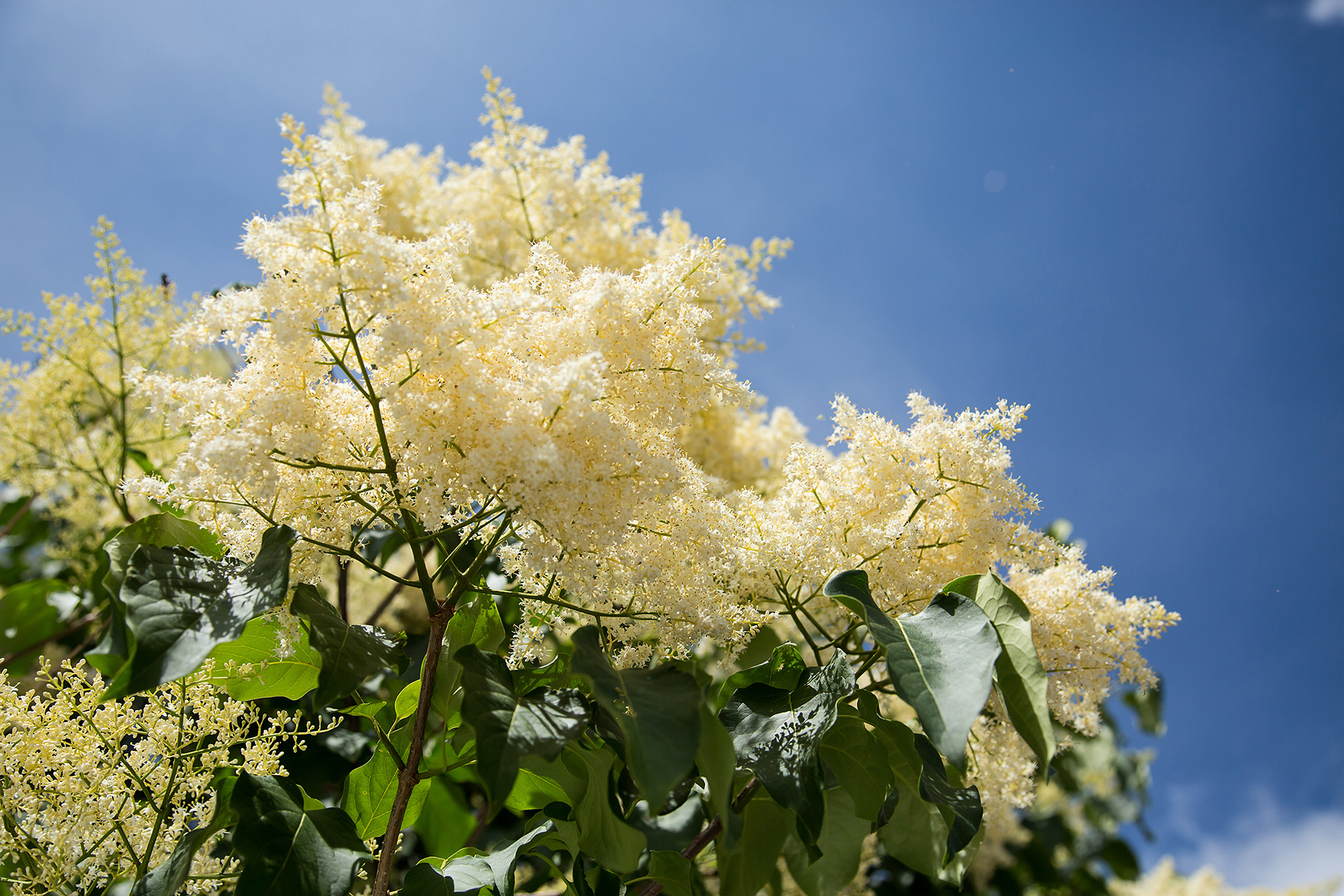
Japanese Tree Lilac is a versatile landscape tree prized for its durability and late spring bloom time. Flower clusters of creamy white blossoms appear in late May to early June and carry the familiar fragrance of shrub lilacs.
This species performs exceptionally well in urban environments due to its tolerance of pollution and salt. This tree will be blooming right as your Redbuds, Magnolias, and Crabapples blooms fade helping you bridge the gap in impulse sales from spring to summer.
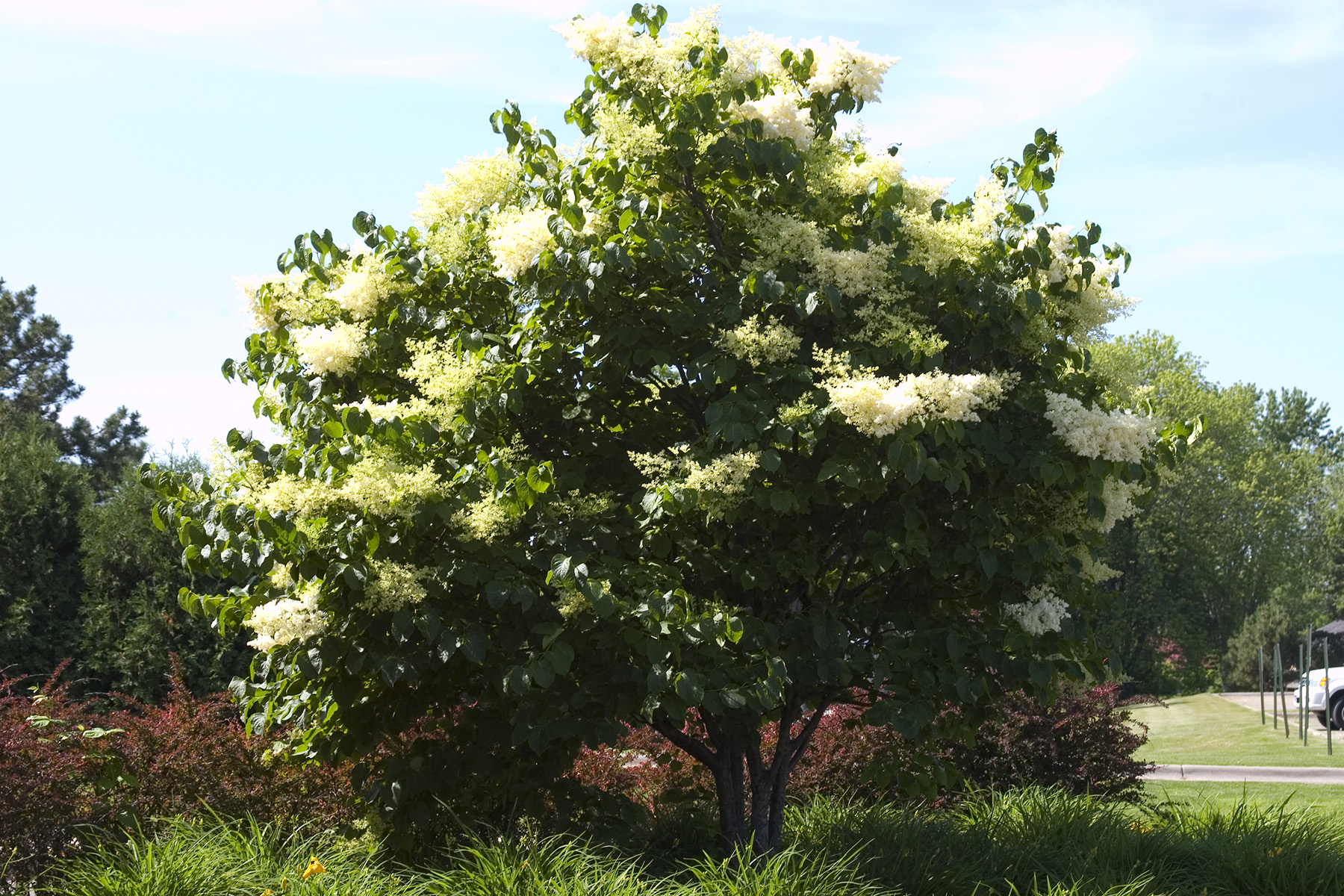
Selling Tips: Position Japanese Tree Lilac as a solution tree for challenging sites. Customers looking for a hardy ornamental tree for front yards or tough landscaping sites will appreciate its reliability and its bonus blooms.
Our Favorite Cultivar
First Editions® Snowdance™ Japanese Tree Lilac – This improved cultivar produces more blooms than the straight species, flowers at a younger age, and is mostly seedless. Its compact form reaches about 20 feet tall and offers strong disease resistance.
Explore More Japanese Tree Lilac Cultivars
Pair Japanese Tree Lilac With:
- Perennials – Columbines, Ornamental Onion (Allium), Ladies Mantle, Hosta, Russian Sage
- Shrubs – Weigela, Spirea, Endless Summer® Summer Crush® Hydrangea
Spring Bloom into Spring Sales
Spring blooming trees are some of the most powerful plants on the sales lot, drawing customers in with color, fragrance, and instant gratification in the landscape. By showcasing spring blooming tree varieties like Redbud, Magnolia, Japanese Tree Lilac, and Crabapple in their prime season while suggesting complementary plants, you can help your customers easily envision how these trees will transform their landscapes.
With the right selections and a few helpful talking points, these remarkable trees won’t last long on your sales lot.