Shipping Bareroot: Getting It Right

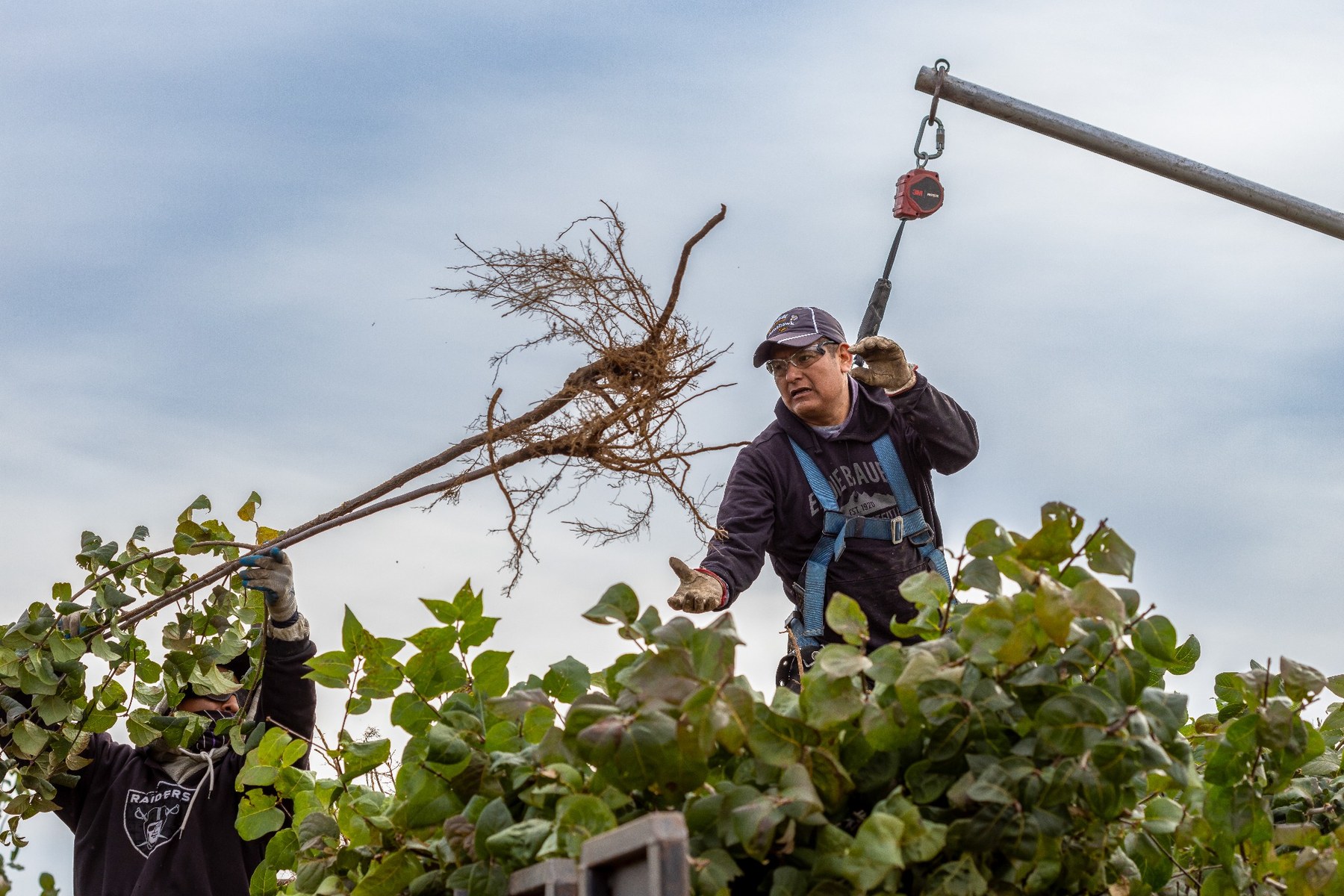
Shipping high-quality bareroot plants is about more than getting product out the door. Compliance, state regulations, and certifications must all be completed before anything leaves the nursery. These safeguards exist for a good reason. No one benefits if a pest hitchhikes with a shipment. The ecological impact can be significant, which is why Bailey Nurseries has implemented a new approach.
Led by Bareroot Production and Plant Health Manager Ross Dumdi and the plant health team, Bailey has developed a more sustainable approach to shipping bareroot into Canada. “We knew there had to be a better way,” says Ross. “There is always an opportunity to improve our bareroot practices without sacrificing sustainability or plant quality. We wanted to make the entire process work better for our team and our customers.”
Why Rethink Fumigation?
For many years, shipping certain crops into British Columbia required fumigation. Crops such as Malus, Pyrus, and Prunus required root washing and fumigation to prevent pests like Oriental Fruit Moth from entering Canada.
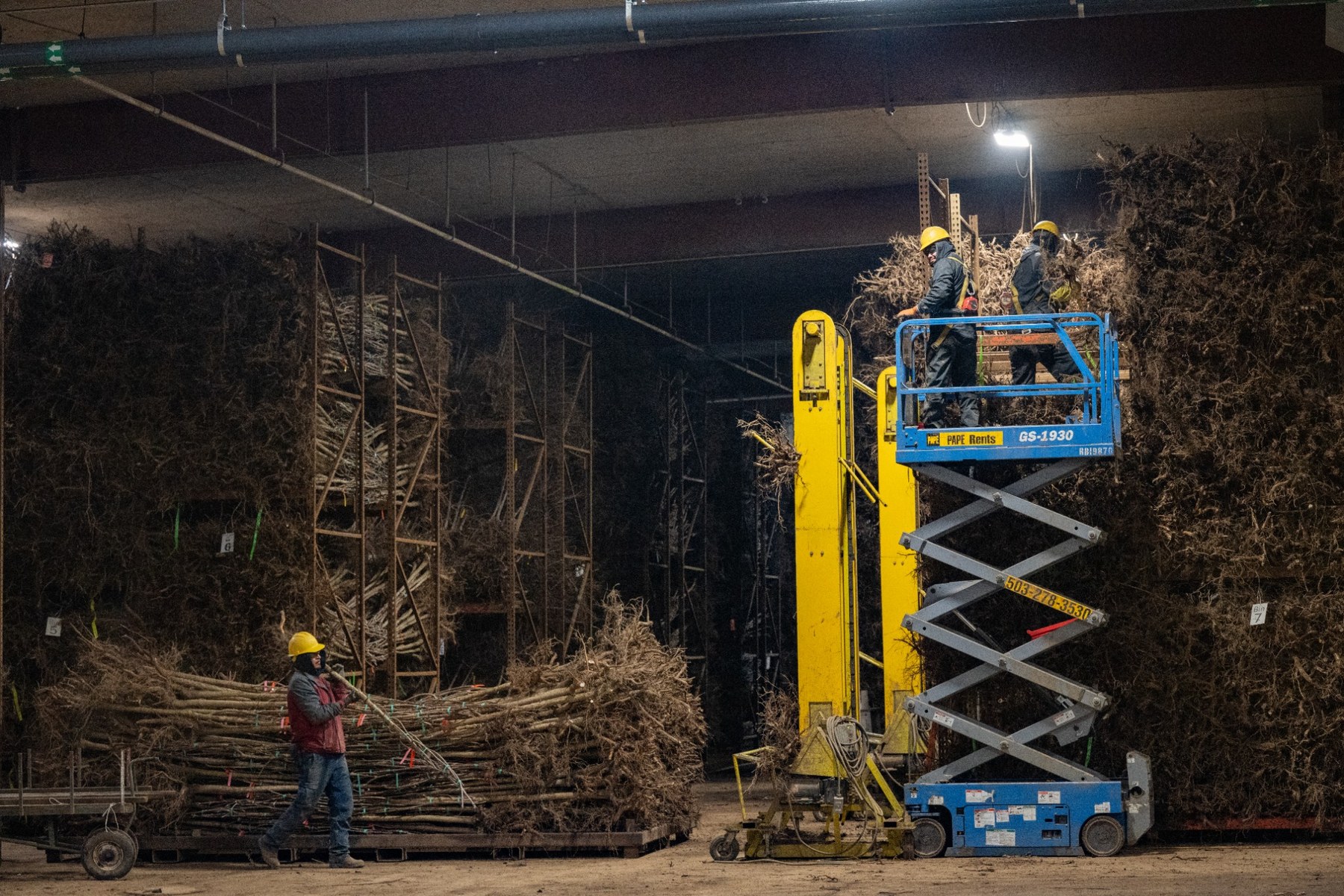
While effective, the fumigation process created challenges. It required additional handling, internal transfers, and inspections before shipment.
Fumigation also exposed plants to heat and chemicals that can cause stress. “Fumigation was designed to reduce pest risk, but it also introduced its own risks,” Ross explains. “Heat injury, dehydration, and bud damage or loss are real concerns when you’re dealing with dormant plants.”
Customers also raised concerns about potential impacts to plant quality, further motivating Bailey to explore alternatives.
Rethinking the Process
The process began in 2025 when the decision was made to step back and reassess our fumigation approach. It was discovered that by updating and implementing an
Integrated Pest Management (IPM) program before bareroot harvest, we remove the fumigation need and maintain full regulatory compliance.
This approach helped maintain plant health, reduce chemical use, and simplify shipping logistics.
A New Monitoring-Based System
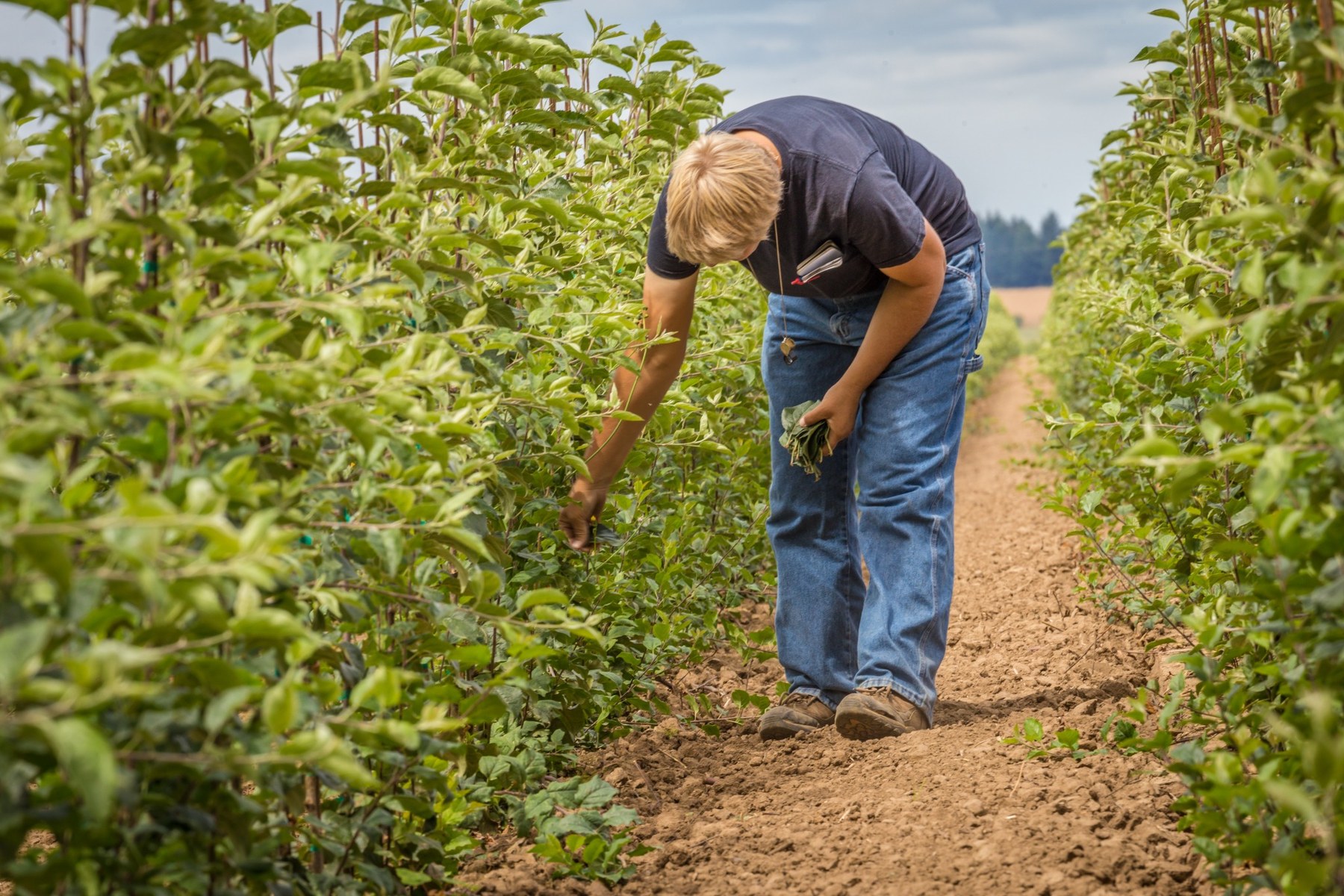
Rather than relying on chemical treatment, Ross and his team developed a systematic program approved by state, federal, and Canadian regulators. The program focuses on monitoring, prevention, and documentation including:
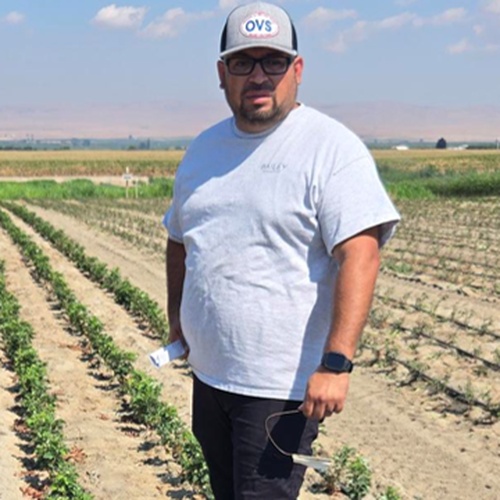
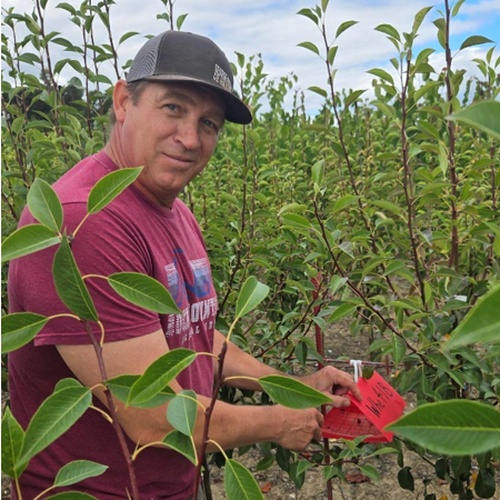
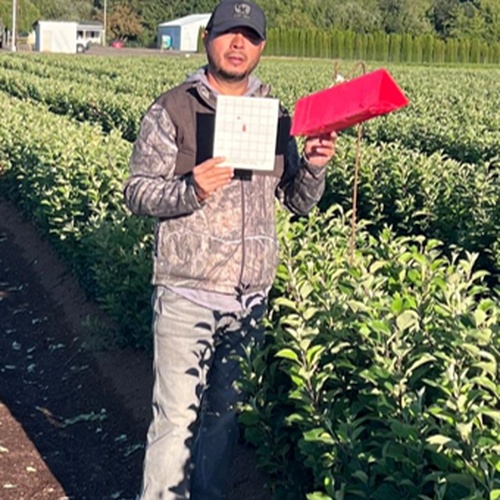
- Weekly trapping and monitoring for Oriental Fruit Moth
- Third-party field verification
- Detailed compliance documentation
- Updated import permits with Canadian customers
“This program proves that careful monitoring and strong documentation can replace a chemical treatment,” comments Ross. “It’s a more modern approach that aligns with how we already manage plant health in the field.”
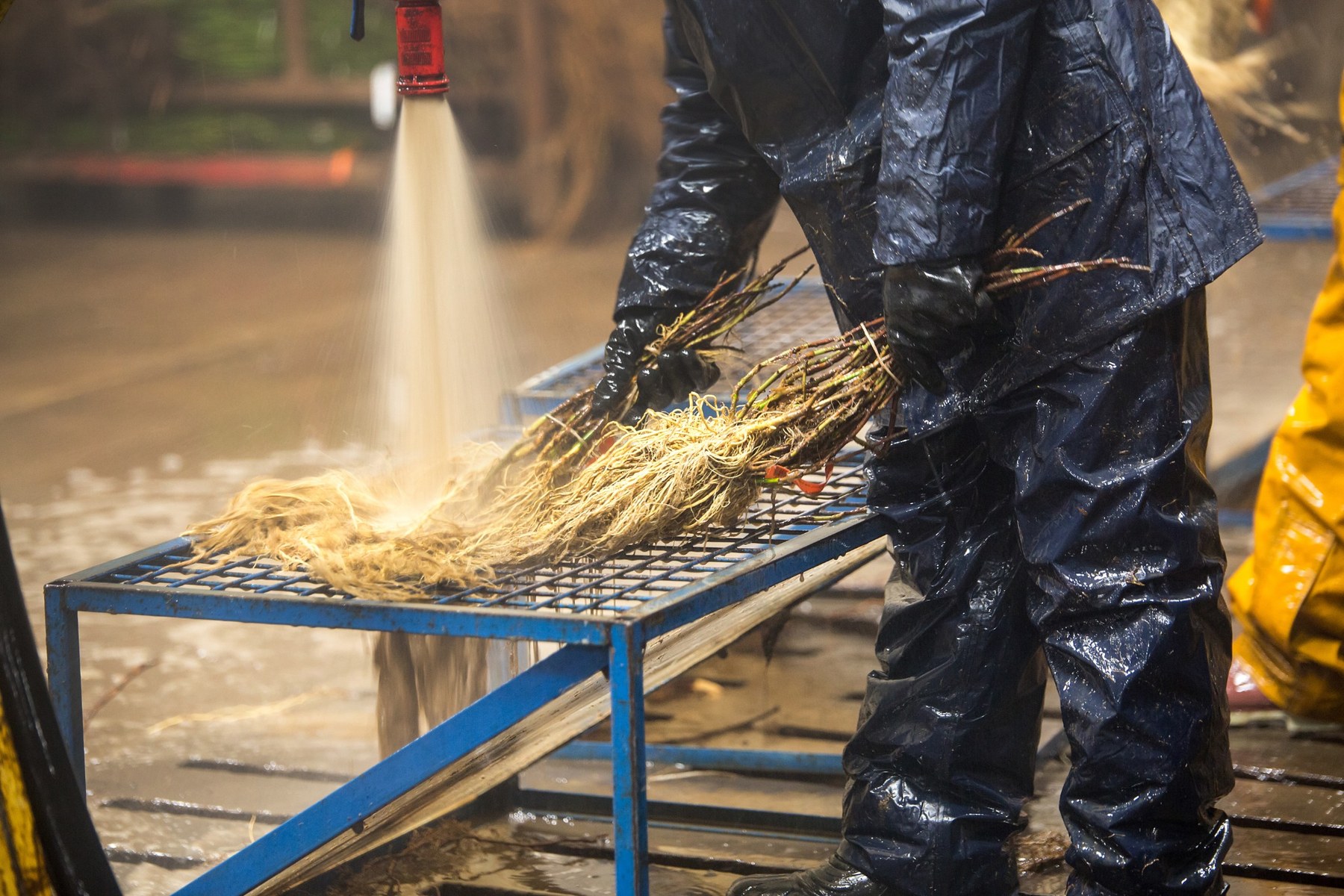
Root washing remains part of the process to meet additional pest regulation requirements.
What the First Year of Data Showed
The results from the first monitoring season confirmed what the West Coast plant health team had long believed: pest pressure was extremely low. During the 2025 scouting season, 55 monitoring traps were installed across three Bailey sites. At these locations, only one Oriental Fruit Moth was discovered requiring no spray applications.
These findings reinforced the effectiveness of the new Integrated Pest Management practices. “In many ways, the data confirmed what we suspected,” explains Ross. “Our scouting and IPM programs were already doing the job. The fumigation requirement was addressing a problem we were already successfully managing in the field.”
Better Sustainability, Better Benefits
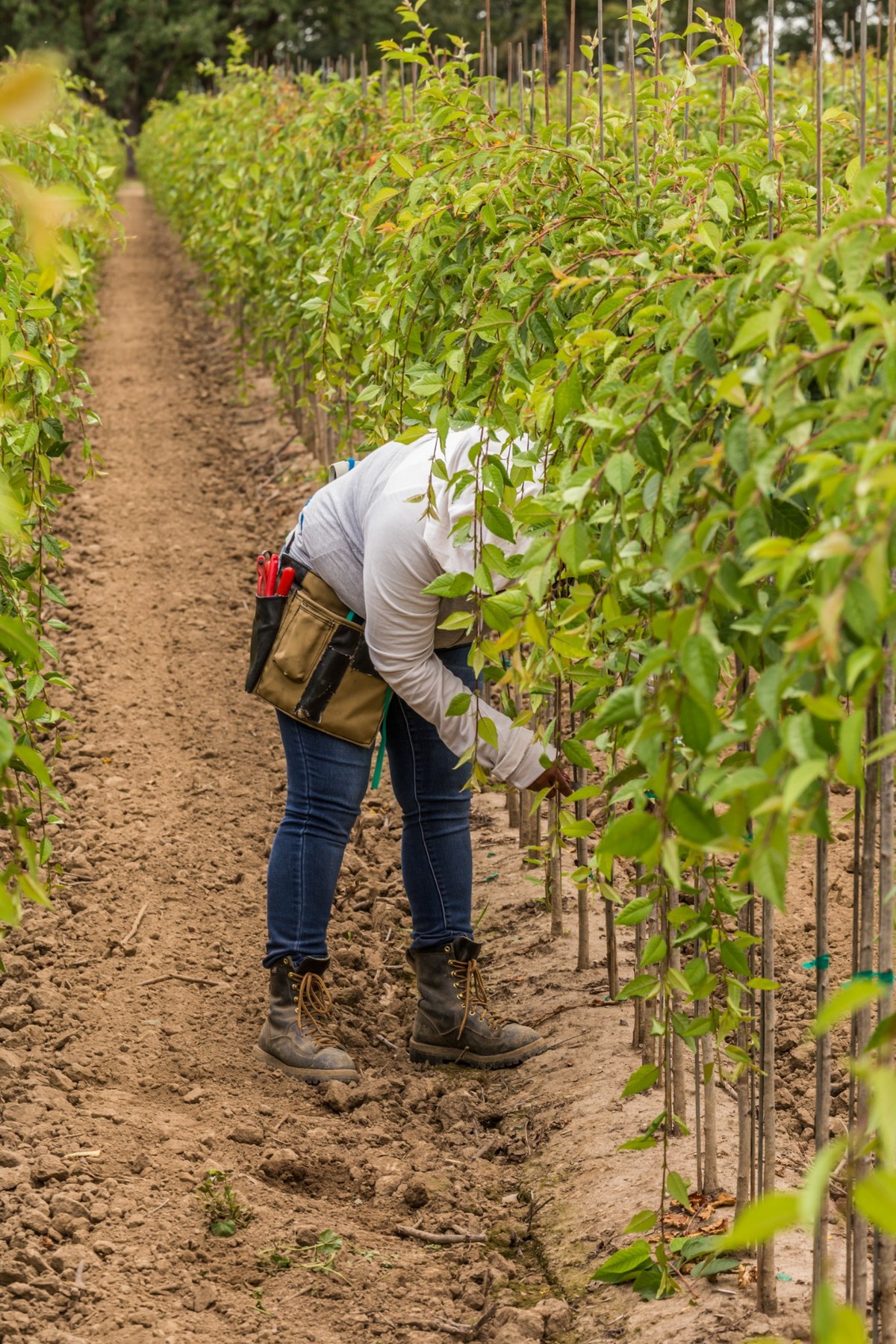
Our new systematic approach delivers benefits that extend beyond regulatory compliance. “Removing the fumigation process, our plants experience less stress before leaving the nursery,” comments Ross. “That directly translates to our high-quality plants arriving at their destination.”
By eliminating this chemical treatment step, Bailey reduces the environmental footprint associated with additional processing and transportation. This supports our ongoing commitment to responsible production practices.
Most importantly, the program remains fully compliant with U.S. and Canadian import requirements. “We are not bypassing any regulations,” Ross emphasized. “This was about meeting those requirements in a more sustainable and efficient way.”
Built on Plant Health Expertise
This advancement in sustainable production practices is possible because of Bailey’s strong plant health program.
The program combines weekly field scouting, targeted insect management, preventative disease programs, and thorough documentation. Bailey’s plant health teams also maintain close relationships with state and federal agencies and collaborate with industry partners to test new crop protection tools.
The Future of Sustainable Bareroot Production
Now being fully integrated, this will remain standard practice. Pest monitoring begins each spring, with traps installed April through September and compliance documentation submitted before the shipping season.
“This program shows what’s possible when plant health, regulatory partners, and operations all work together,” adds Ross. “It’s good for the plants, good for our customers, and good for the industry.”