How Our Cold Storage Production Team Cut Winter Energy Use Nearly in Half

Written by Esteban Herrera, Production Manager- Dayton, OR
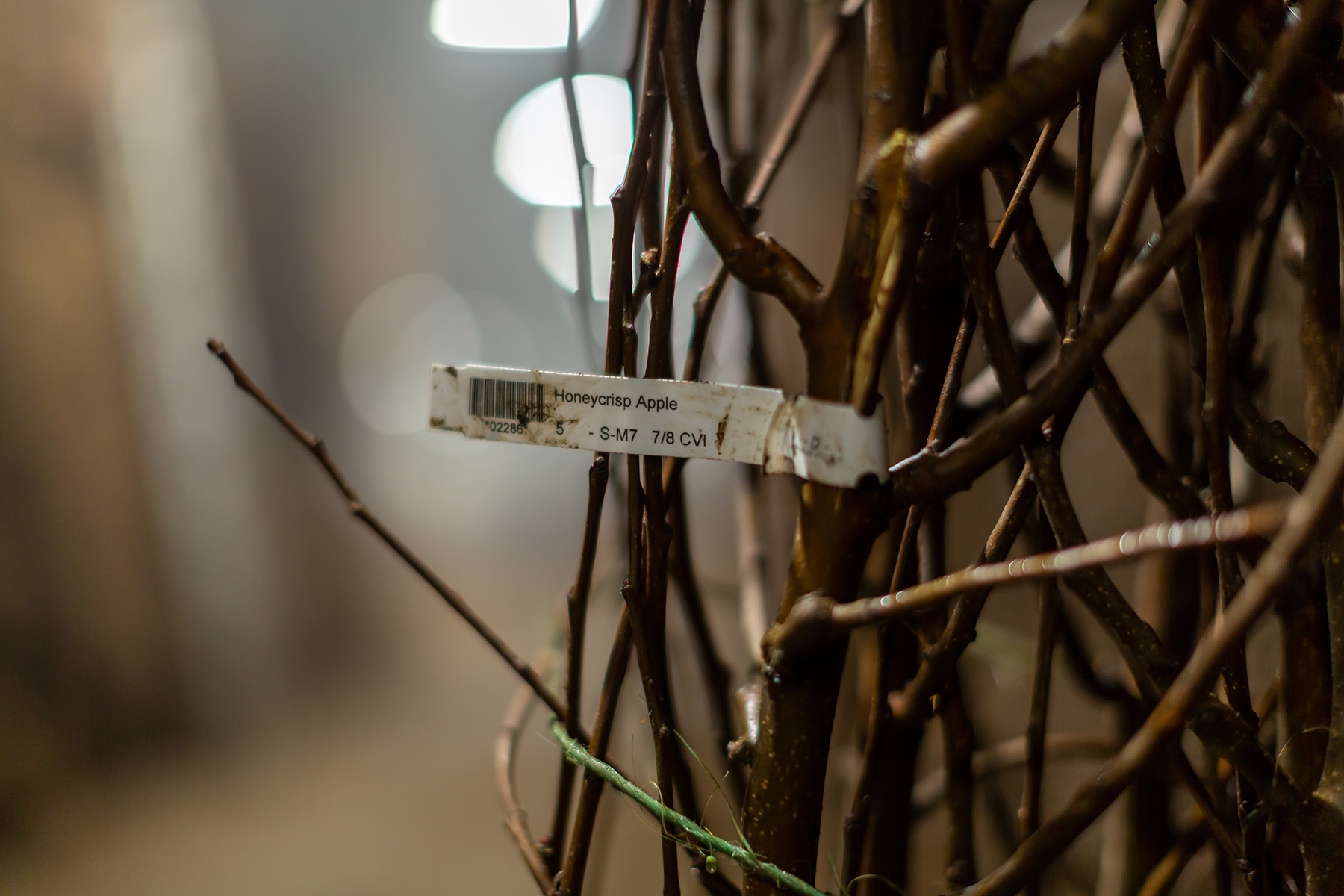
At Bailey Nurseries, each year brings new opportunities to reflect, improve, and innovate. Over the past several years, our Dayton production team has focused on sustainability looking closely at where we can make measurable impacts across our operations. One of our biggest opportunities came in an unexpected place: our bareroot cold storage facilities.
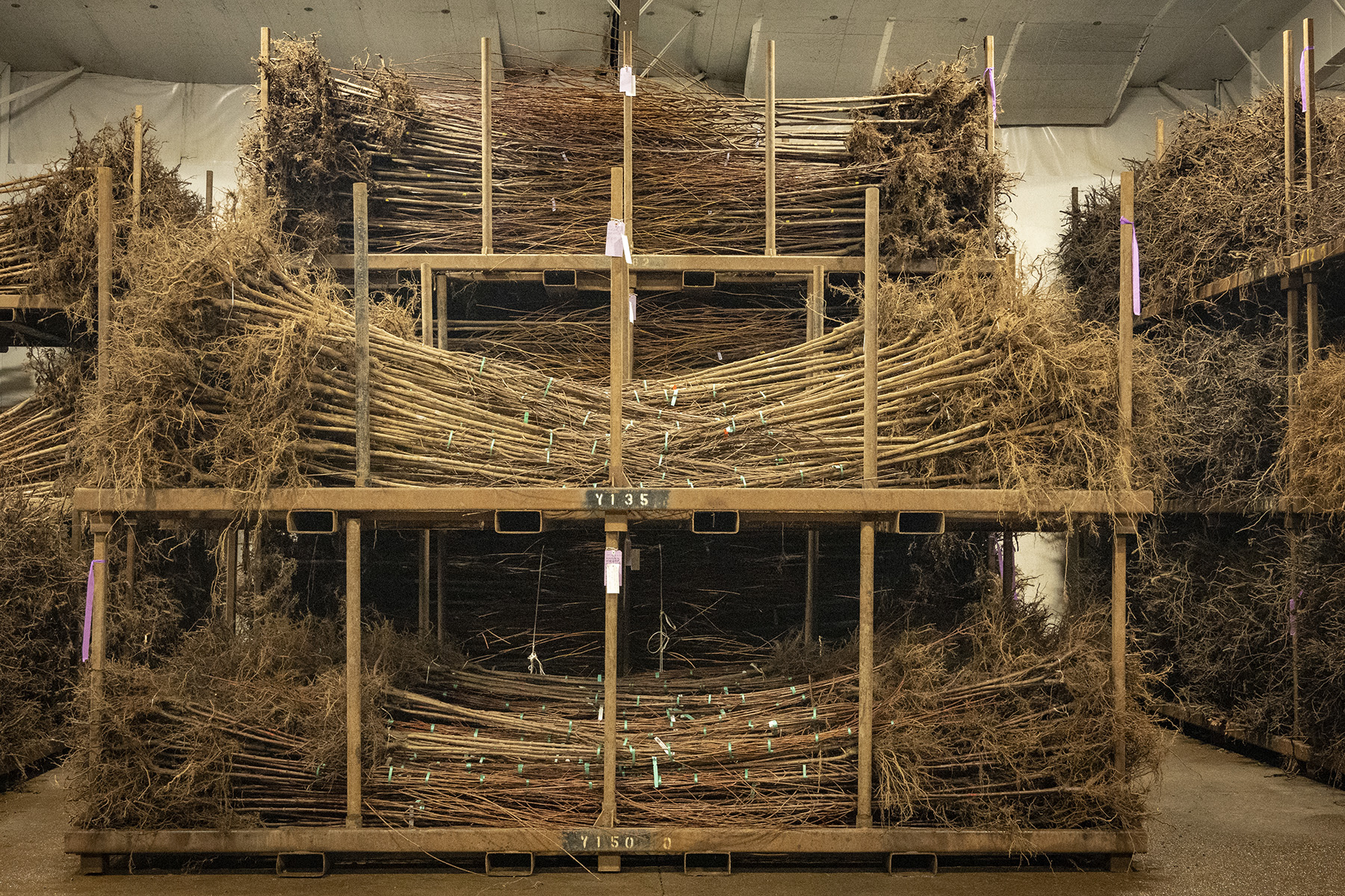
Cold storage is essential to preserving plant health during the winter, but it also requires a significant amount of energy, especially during our peak storage months of December, January, and February. Recognizing this, we have made it a priority to reduce our electrical consumption while maintaining quality and productivity.

Through five years of experimentation, collaboration, and creative problem-solving, we’ve achieved remarkable results. Between 2021 and 2025, our Dayton facility reduced energy usage across two of our coolers by 48% during the winter months. This achievement represents a major step forward in our sustainability journey.
Finding Smarter Ways to Cool
Our efforts began with a deep dive into the systems we already had in place. Over time, we have implemented improvements such as fast-action doors, LED lighting, and passive cooling features. But we knew there was more we could do.
By leveraging both experience and data, our team developed a multifaceted strategy to use our existing space more efficiently. This included:
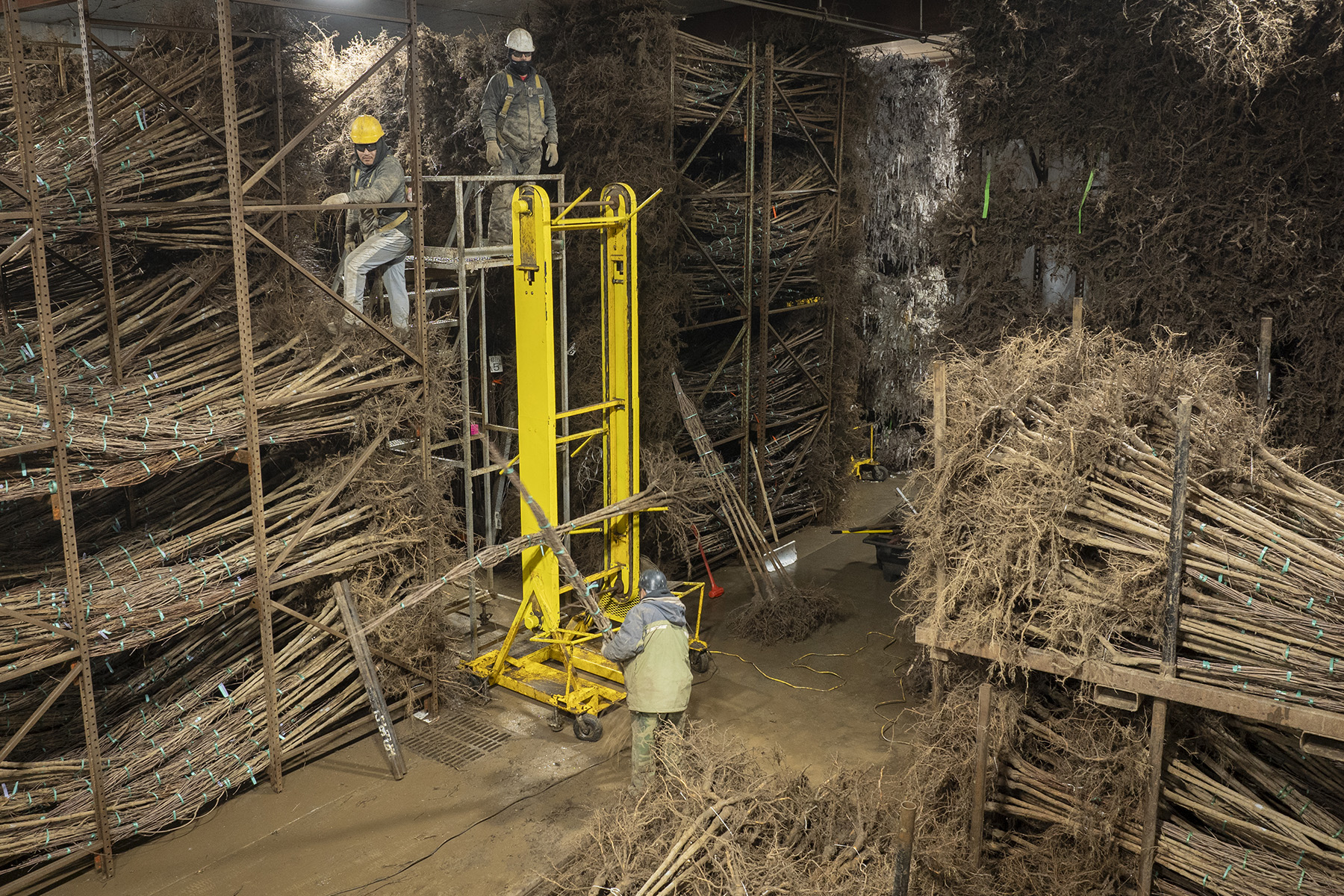
Optimizing tree size management – By managing terminal growth in the fields, we reduced the size of trees entering storage, allowing us to fit more efficiently within each rack without compromising quality.
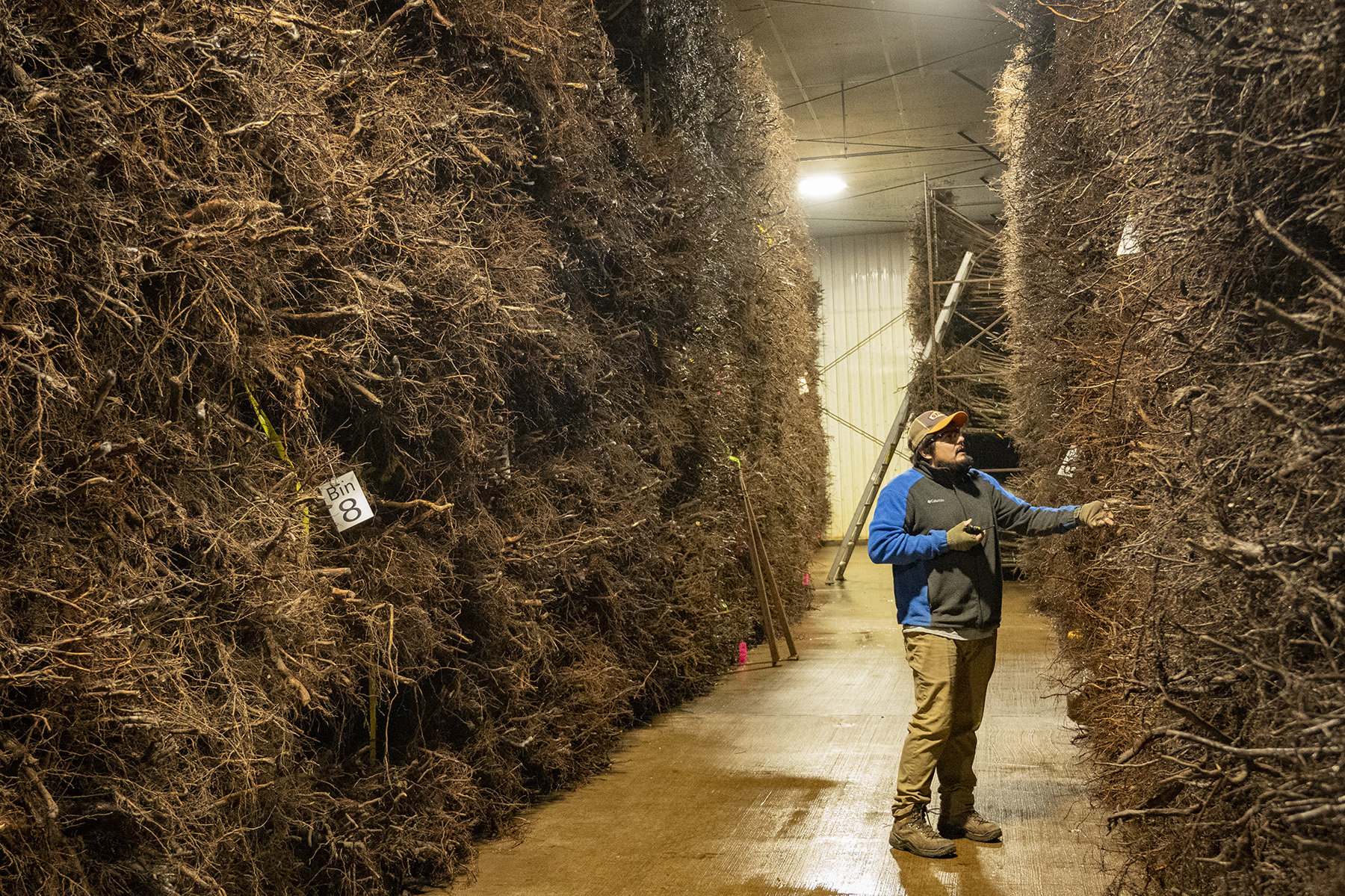
Reassessing cooler layouts – Our storage crews evaluated center spacing between racks, identifying ways to maximize every square foot of cooler space.
Adjusting harvest timing – About four years ago, we began focusing on harvesting sawdust-stored items in bulk once we reached certain stages of the season. This extended our processing window and kept the crews work consistent.
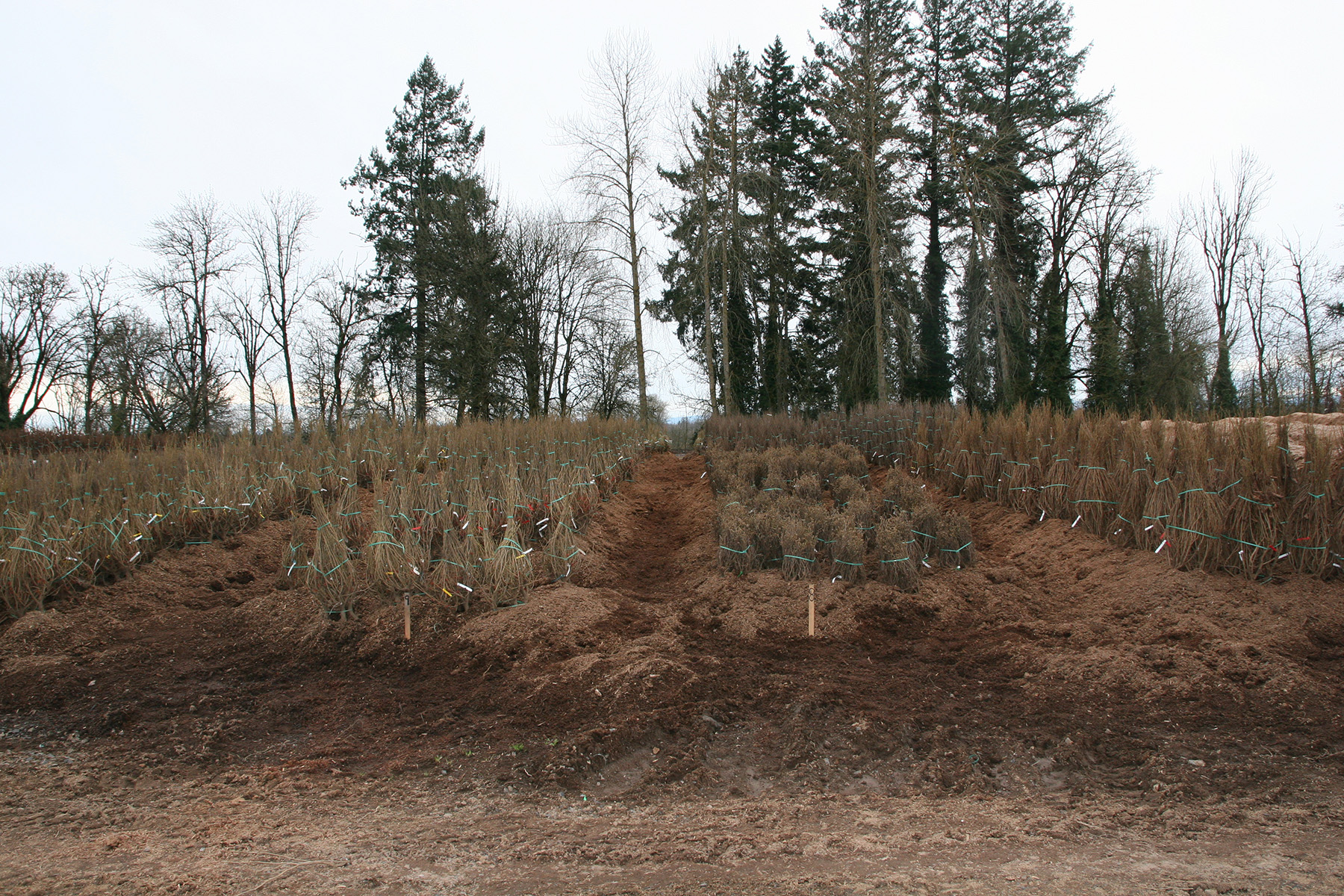
Leveraging shipping history – We analyzed historical shipping data to determine which varieties could safely remain outside longer and which needed immediate cooler storage. Varieties that bud later and ship primarily in March were prioritized for outdoor heel-in storage, freeing up cooler space earlier in the season.
Together, these steps allowed us to avoid using an entire cooler in 2025 despite storing nearly the same amount of product as the previous year. Each cooler can hold approximately 200,000 trees, so this was no small accomplishment.
Balancing Effort and Efficiency
Every decision came with trade-offs. Managing tops required additional pruning labor, and storing trees in sawdust sometimes meant double-handling material later in the season. However, these short-term costs were outweighed by long-term benefits in efficiency, safety, and energy reduction.
Not every gain was immediately visible, but collectively, these incremental improvements created significant results. More importantly, the process brought our production team together around a shared goal proving that sustainability isn’t just about technology, but about teamwork and intentional choices that make a lasting difference.
Looking Ahead
Our sustainably journey shows that meaningful progress often starts with curiosity and collaboration. By questioning assumptions, experimenting with new methods, and embracing data-driven decisions, we not only cut our energy use dramatically but also strengthened our culture of continuous improvement.
We’re proud of the progress made so far and excited to keep finding new ways to make our operations more efficient, responsible, and resilient for years to come.