Winter in Propagation: Where We Grow Predictability
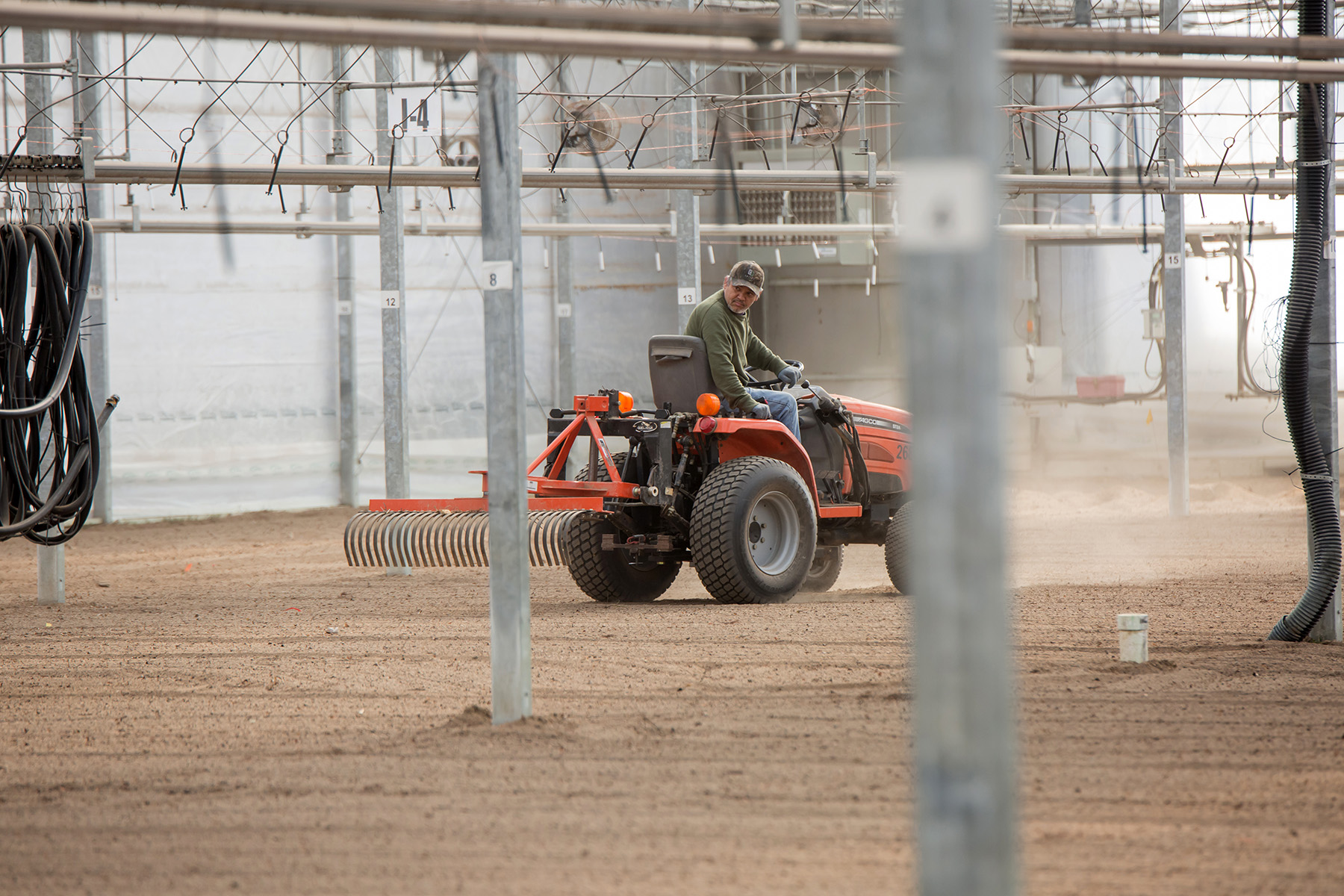
When the fields are quiet and temperatures start to fall, it can feel like the growing season has come to a close. But at Bailey Nurseries, winter is anything but idle. Behind greenhouse doors, heaters hum, hoses drain, plants are graded, and acres of inventory are moved and prepped with quiet precision. The work isn’t loud, but it makes a huge difference come spring. Winter isn’t downtime, it’s the season that determines how successful spring will be.

As Mike Hoffman, Department Head of Midwest Propagation, puts it: “We don’t just grow plants, we grow predictability.” For customers, that predictability is everything. When you’re planning spring programs, scheduling labor, coordinating logistics, or counting on product to arrive when you need it. You don’t need surprises, you need consistency. Winter is where we build that.
The Real Winter Challenge
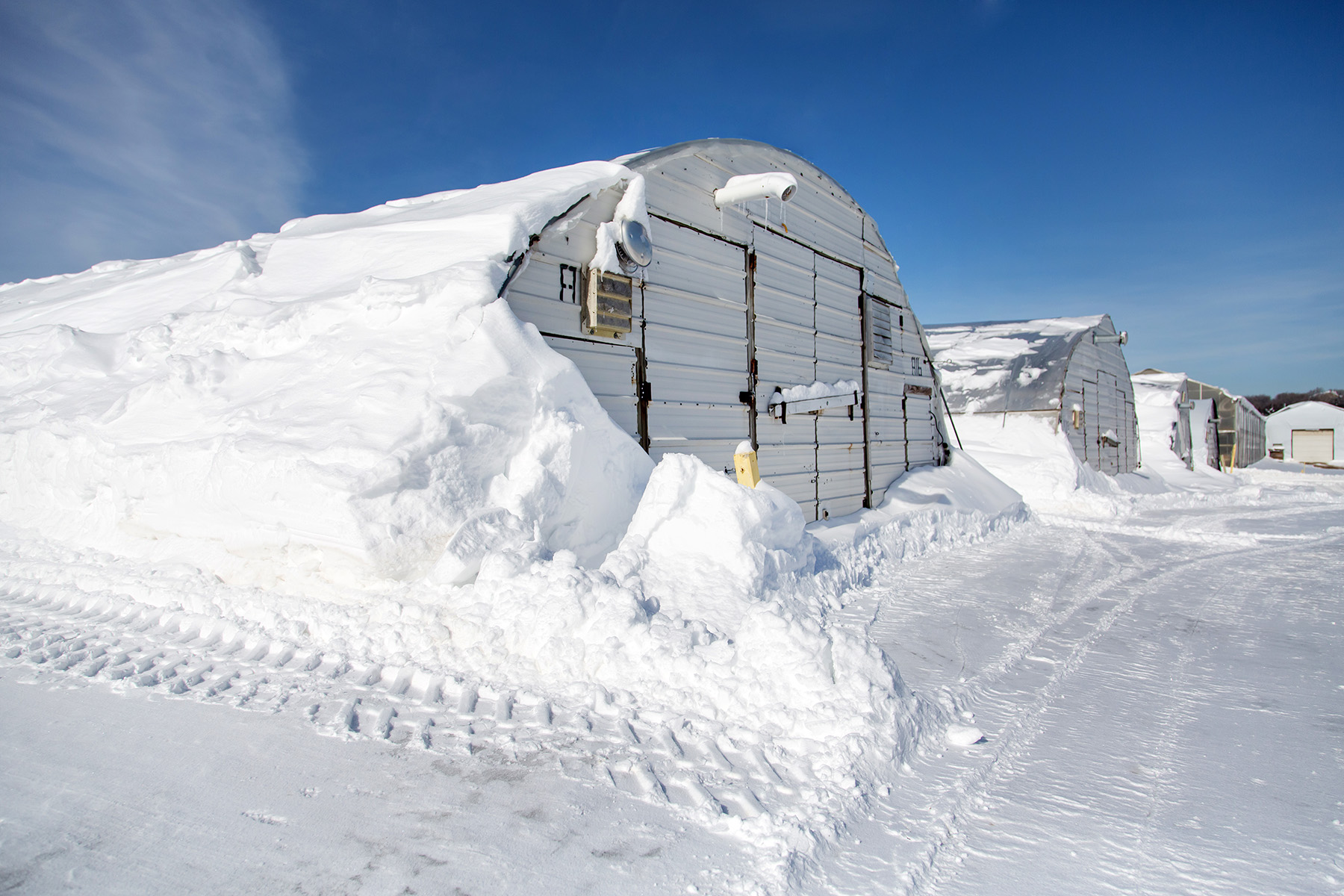
Growing in winter comes with curveballs: unpredictable temperature swings, sudden warm spells, power outages, labor constraints, the list goes on. Any one of those can impact plant health and throw production timelines off track. So how do you keep plants healthy, systems ready, and spring programs on course when winter won’t follow the rules? We asked propagation leaders across Minnesota, Oregon, and Georgia what winter looks like in their regions and how the work they do now supports customer success later.
Three Climates. One Commitment.
Minnesota: Overwintering (and Sweating the Small Stuff)
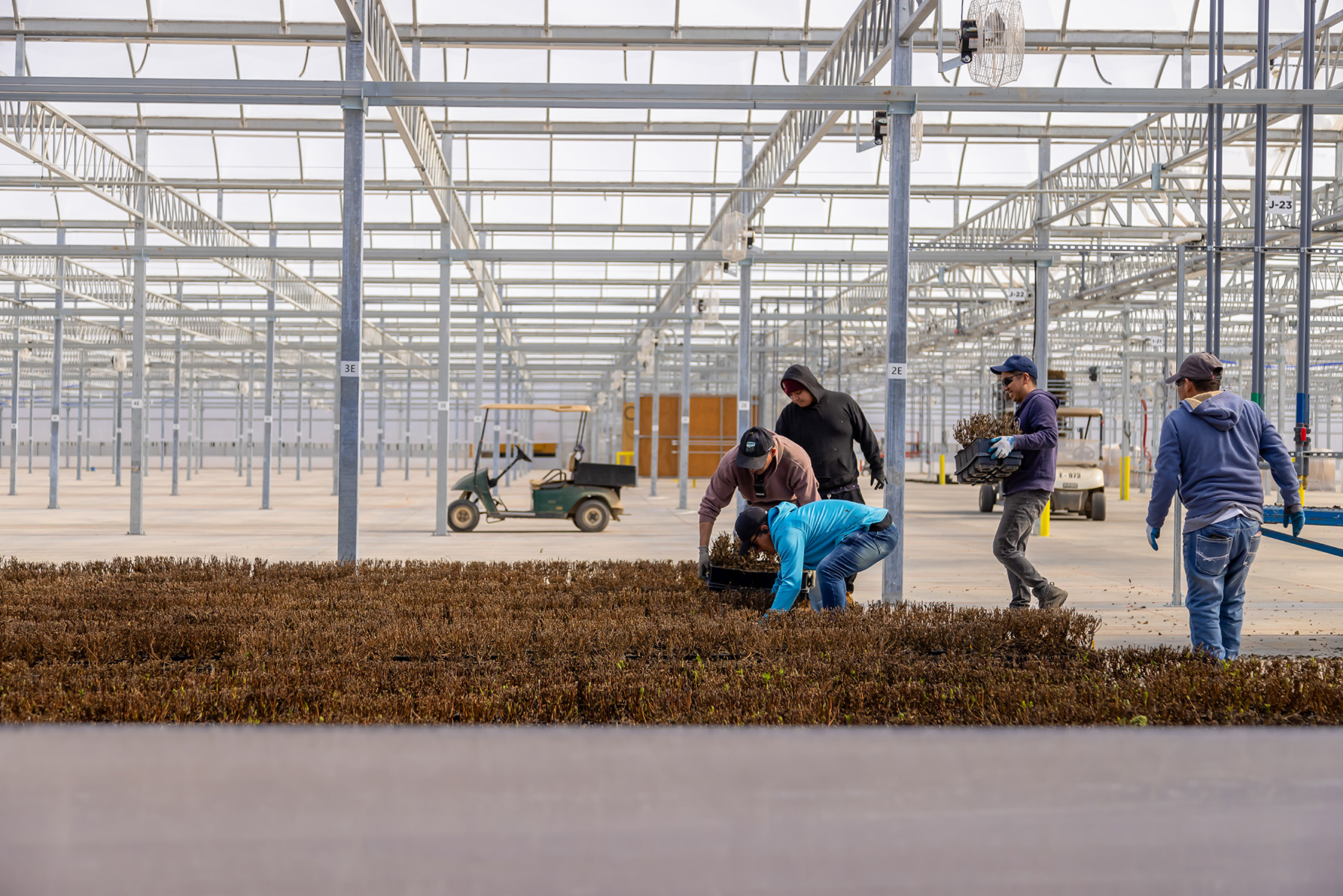
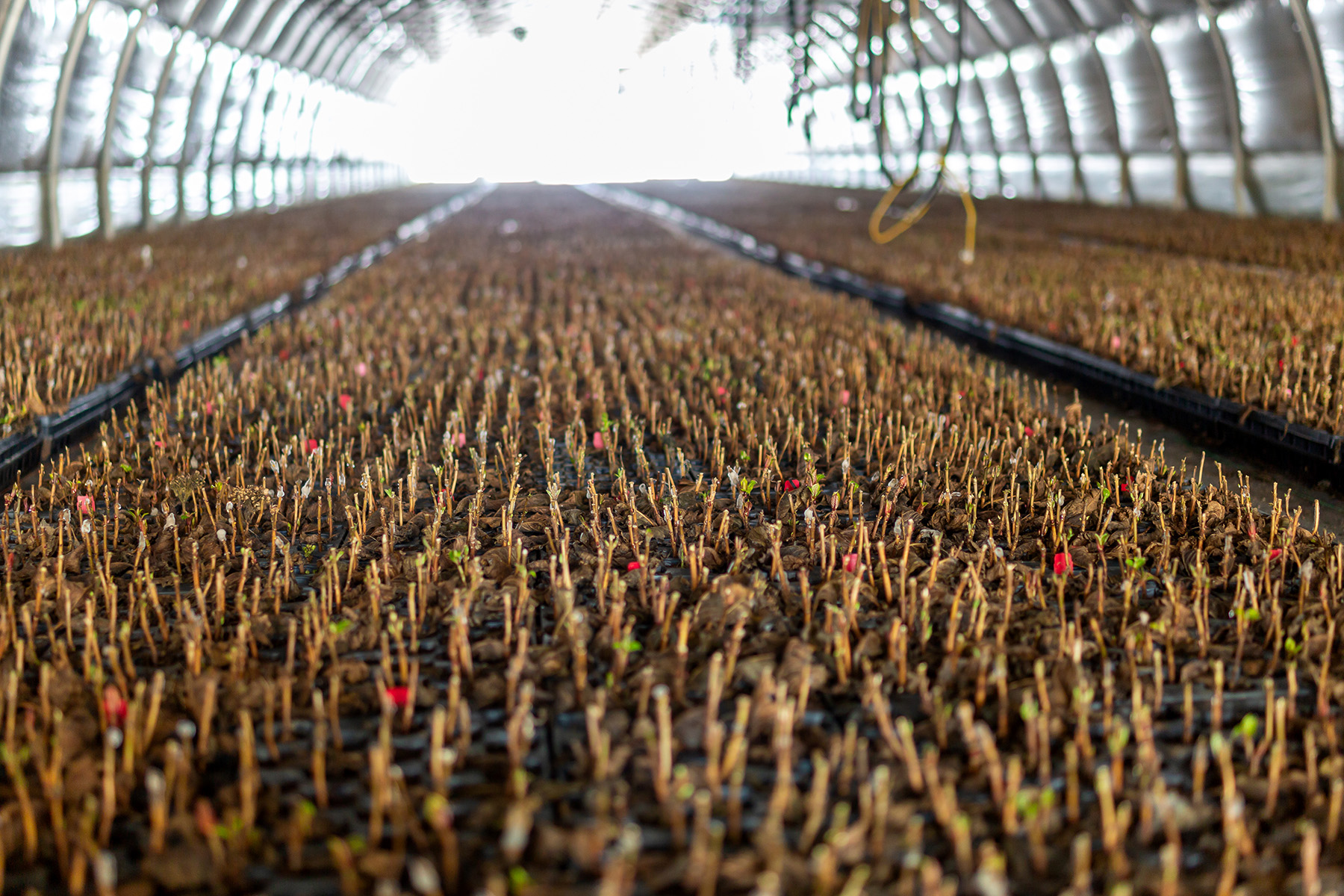
In Minnesota, overwintering is both craft and science. Midwest greenhouses are lined with Panda Poly, a black-and-white insulating film that helps prevent overheating, manage condensation, and maintain steady temperatures. Plants are also assigned a winter code, one of more than forty, so every variety has a clear plan for where it belongs, how it’s stored, and when it’s needed again.
And then there’s the biggest risk most people don’t think about. “Condensation, not cold, is usually what kills plants,” Mike explains. That’s why growers walk the houses weekly, often with flashlights during short winter days, checking vents, heaters, humidity, moisture, rodents, airflow, and anything else that could quietly become a problem. It’s not glamorous work, but it helps plants come out of winter healthy, uniform, and ready to move ensuring spring programs have fewer hiccups.

Oregon: Harvest Season… in the Rain

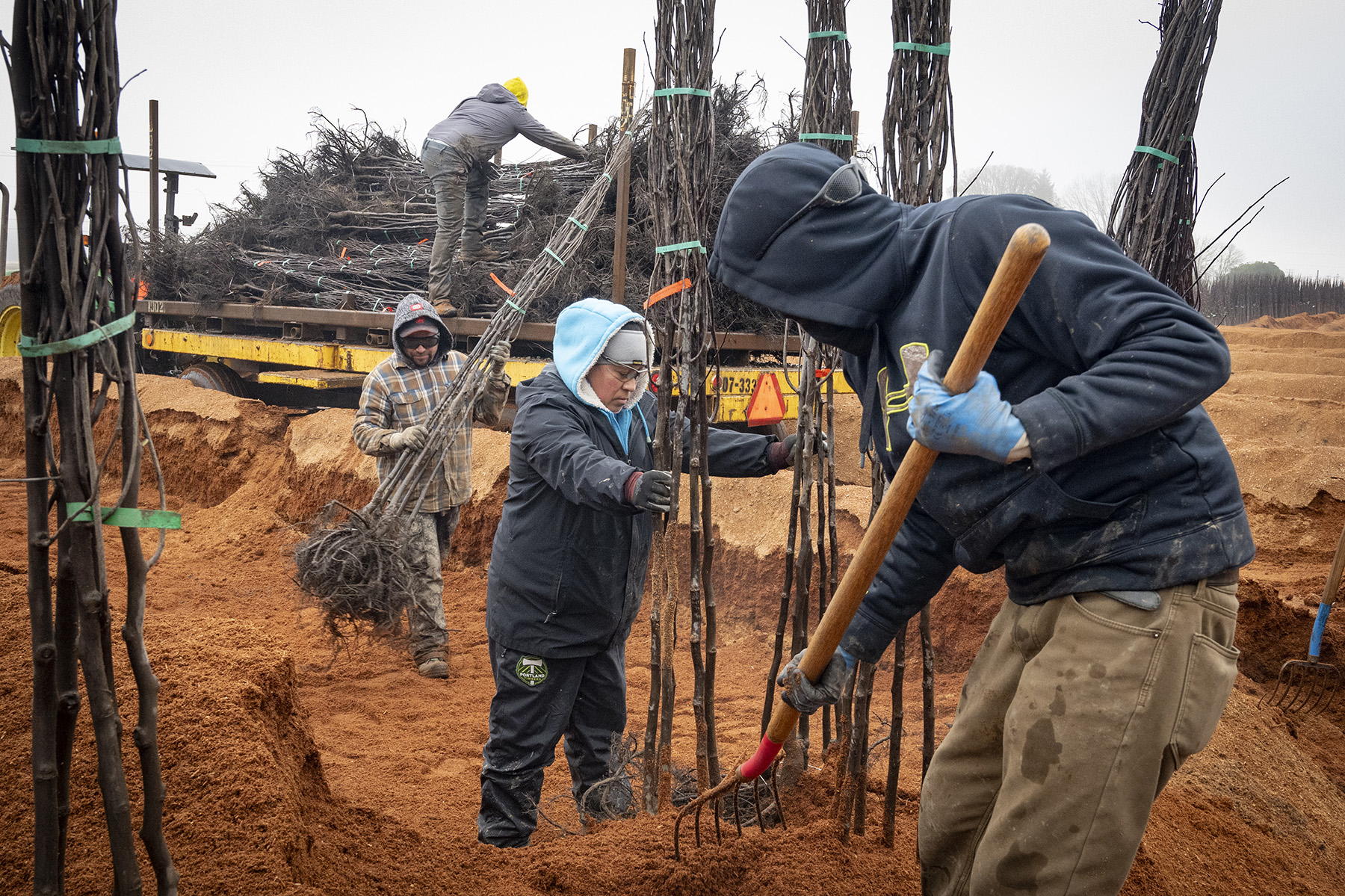
In Oregon, winter is harvest time. Teams of 60+ work through mud, rain, and cold, digging, grading, bundling, and storing millions of plants for the upcoming season. It’s physical, fast-moving work and what’s harvested and handled well now is what customers can count on later. “It’s muddy, it’s cold, and it’s a lot of work,” says Jeff Stoven, Propagation Production Manager. “But this is when we build the foundation for spring production. Every clean bin, every graded seedling is a promise of quality.”
When harvesting slows, the work shifts to greenhouse consolidation: cleaning, reorganizing, and building efficient setups for spring sticking and transplanting. Same goal, different tasks that protect quality now so spring runs smoother later.
Georgia: Staying Ready When Winter Changes Its Mind
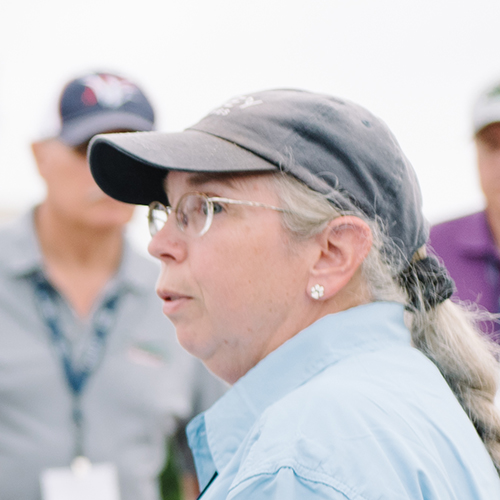
In Georgia, winter has a different personality. “We can have a hard freeze one night and 70 degrees two days later,” laughs Vickie Waters, Department Head of Georgia Propagation. That kind of swing means the strategy is all about flexibility and fast response. Teams need to be ready to roll up shade cloths, cover sensitive crops, and adjust quickly as conditions change. “Winter’s short, but we use it to prepare, clean, and reposition,” Vickie says. “Expect the unexpected and always be ready for it.”
The Quiet Work That Builds Spring
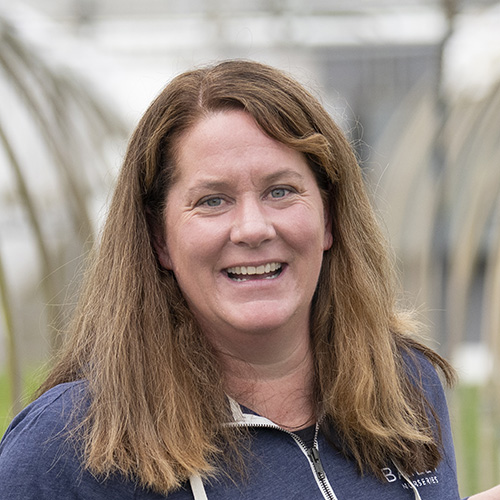
Winter in propagation isn’t about producing new crops. It’s about protecting the crops we already have and making sure every system, structure, and team is ready.
“Our job in winter is to make spring successful,” says Stacia Lynde, Department Head of Propagation–Dayton. “That means cleaner houses, tighter systems, and healthier plants.”
When those things are true, customers feel the difference with fewer disruptions, stronger plants, more reliable timing.
Adapting to the Curveballs (So You Don’t Have To)
Every region faces its own challenges from delayed labor arrivals, milder winters, shifting dormancy patterns, but one constant remains: our ability to adapt. When warmer winters disrupted dormancy in Minnesota, we adjusted overwintering temperatures to prevent damage. When Oregon faced labor shortages, teams found creative ways to stay on schedule. These aren’t just reactions; they’re proactive strategies built on decades of experience, collaboration, and learning what winter can do when it tries to surprise you.
What Sets Bailey Apart
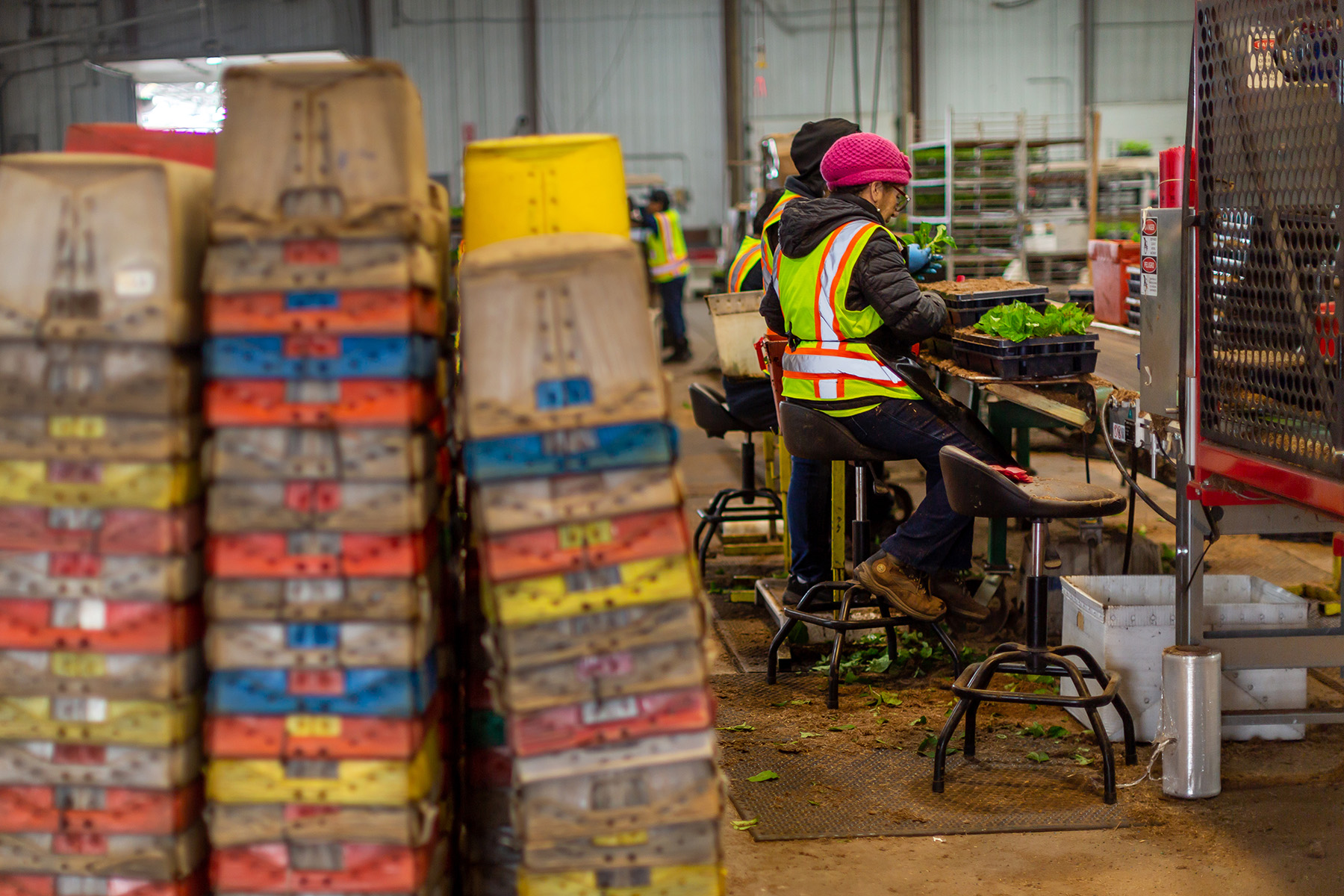
Winter is where the Bailey difference becomes real:
- Vertical integration means every step, from propagation to finished product, supports consistency at scale.
- Systematic precision leaves little to chance, from coded inventory systems to environmental monitoring.
- Experienced teams make decisions rooted in hands-on knowledge, even when conditions get tricky.
- Customer focus means the care taken in January shows up in March, April, and May as stronger plants and fewer last-minute surprises.
Growing Reliability
Every frost cloth. Every heater check. Every careful vent adjustment. It all adds up to one promise: when spring arrives, you can plan with confidence. “The work we do in winter keeps our customers successful in spring,” Mike says.
At Bailey Nurseries, innovation doesn’t freeze. Through precision management, vertical integration, and relentless care, we’re proud to deliver reliability season after season.